China's State Refiners Consider Resuming Iranian Oil Imports
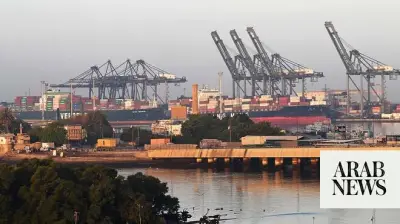
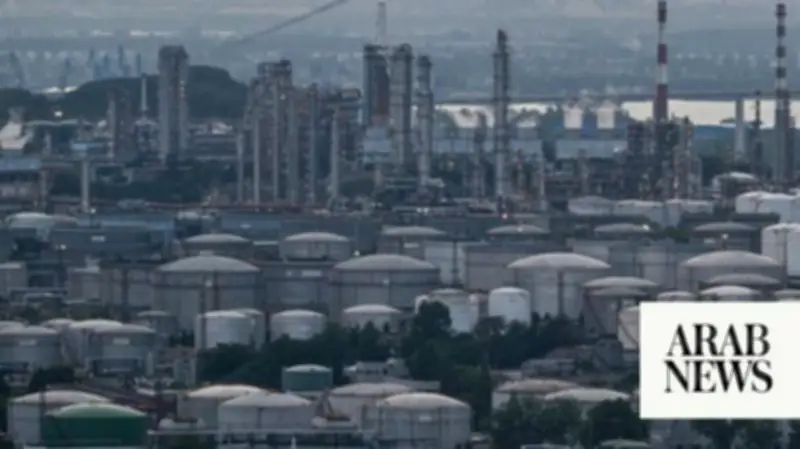
China's state-owned refiners are exploring the possibility of resuming Iranian oil purchases for the first time since 2019, according to several industry sources. The move comes after the United States issued a waiver allowing global customers to buy Iranian oil and petrochemical products and settle in US dollars, following a memorandum of understanding that ended the US-Israeli war with Iran.
PetroChina and Sinopec are examining the banking, insurance, and shipping considerations needed to restart their Iranian transactions, said three sources who are officials at Chinese state oil companies and spoke on condition of anonymity due to the sensitivity of the subject.
First Purchases Since 2019 Sanctions
Any purchases would be the first since 2019, when Sinopec and PetroChina bought Iranian crude shortly after US President Donald Trump reimposed sanctions on Tehran's petroleum exports during his first term. The waiver, announced on Monday, has opened the door for renewed trade.

“Let's see who might be the first to eat the crab,” said one of the sources, using a Chinese idiom referring to the first person to take up something new. The source also noted that there is no shortage of oil, as exports from Saudi Arabia, Kuwait, and Iraq are rising. It remains unclear which banks could provide financing and clearing for the deals, and whether Iran has the shipping capacity to deliver the cargoes, the source added.
Sinopec and PetroChina did not immediately reply to emails seeking comment.
Well-Stocked Asian Refiners Amid Supply Disruptions
Asian refiners, including Chinese ones, are well stocked despite supply disruptions from the Middle East due to the war, by securing cargoes from West Africa, Brazil, and Russia. Middle East shipments from Gulf suppliers are expected to rebound with the reopening of the Strait of Hormuz under the interim peace deal.
Iranian Oil Loadings Accelerate
Iranian oil loadings accelerated to around 1.6 million barrels per day between June 19 and June 24, compared to 340,000 bpd during the first 18 days of June and 370,000 bpd in May, according to tanker tracker Vortexa. This surge indicates a rapid ramp-up in exports following the waiver.
Tepid Domestic Demand Dampens Interest
State firms are unlikely to resume Iranian oil buying because of tepid domestic demand, said a second state oil official. Declines in Chinese fuel and petrochemical consumption have outpaced recent cuts in the country's crude imports and refinery throughput.
For now, Chinese independent refiners known as teapots remain the key Iranian crude buyers, dealing with a group of obscure middlemen and mostly settling their purchases in Chinese yuan.
Sinopec Could Be Readier Buyer
Among the state majors, Sinopec could emerge as a readier buyer, as the refiner—once Tehran's single-largest customer—has faced deeper crude supply cuts and needs to replenish inventories after having to draw on commercial stockpiles since May, two of the three Chinese sources said.
Sinopec enquired with National Iranian Oil Co. (NIOC) about possible purchases under the previous 30-day waiver in March, before deciding against it as the window was too narrow to complete a transaction, said an industry official close to the Iranian company.
NIOC Anticipates Renewed Interest
NIOC, which operates a marketing team each in Beijing and Shanghai, is anticipating renewed interest from state refiners in the coming days, the official said. NIOC will be the sole contractual party for oil under the waiver, and Russia's main export grade ESPO blend will be used as a pricing reference for potential new deal discussions, the official added.
NIOC did not immediately reply to an email seeking comment.