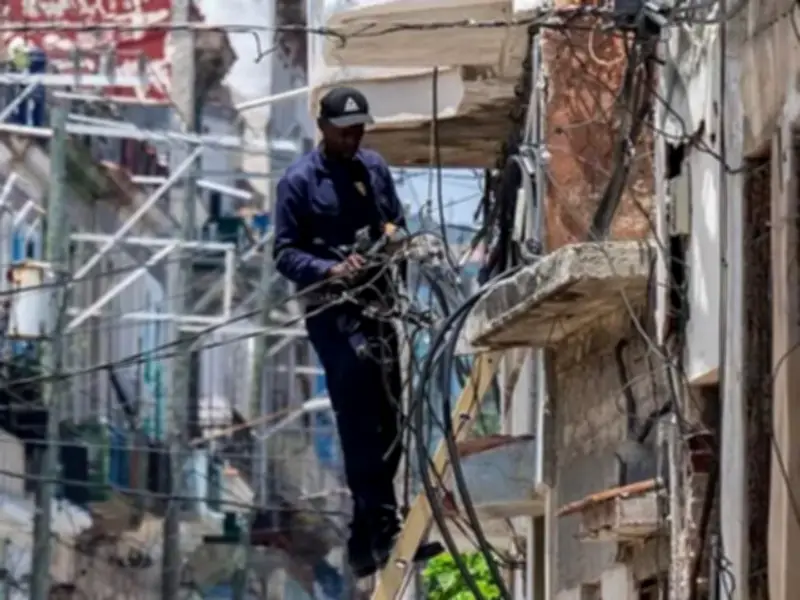
Power was restored to large parts of Cuba on Tuesday, a day after the third nationwide blackout in six months struck the island, which is grappling with a severe economic crisis and a US fuel blockade. Ten of the country's 15 provinces had been reconnected to the grid by Tuesday afternoon, but low electricity output, partly due to the oil blockade, meant some homes remained without power.
Extent of the Blackout
The blackout on Monday plunged the entire island into darkness, marking the third such event in half a year. Cuba's state-run electric company worked through the night to restore service, prioritizing hospitals and water pumping stations. By Tuesday, power had returned to the capital Havana and major cities like Santiago de Cuba and Camagüey, though intermittent outages continued in some areas.
Root Causes: Economic Crisis and US Sanctions
The Caribbean nation was already struggling to keep the lights on during its worst economic downturn in decades when US President Donald Trump cut off oil supplies in January as part of a pressure campaign to end six decades of communist rule. The US embargo, tightened under Trump, has severely limited Cuba's access to fuel, spare parts, and financing for its power plants. Cuba's government blames the blackouts on the US blockade, while critics point to inefficiencies and aging infrastructure.

According to Cuban officials, the blackout was triggered by a failure at the Antonio Guiteras thermoelectric plant, the country's largest, which went offline due to a lack of fuel. The plant has been a frequent source of outages, and its shutdown cascaded across the grid, causing a total collapse.
Impact on Daily Life
The blackouts have crippled daily life, disrupting businesses, schools, and healthcare. Many Cubans rely on generators, but fuel shortages make them unreliable. Food spoilage is common, and water pumps often fail, leaving neighborhoods without running water. The economic crisis has also led to shortages of food, medicine, and basic goods, prompting rare protests in recent months.
"We are tired of living like this," said Maria Lopez, a 45-year-old teacher in Havana, as she waited for power to return. "Every time the lights go out, we lose food and water. It's a struggle just to survive."
Government Response and Outlook
President Miguel Díaz-Canel has called for calm and promised to restore power fully, but experts warn that without fuel imports or investment in renewable energy, blackouts will continue. Cuba has sought help from allies like Russia, Venezuela, and China, but their support has waned amid their own economic troubles. The US has shown no signs of easing sanctions, leaving Cuba's grid vulnerable to further collapses.