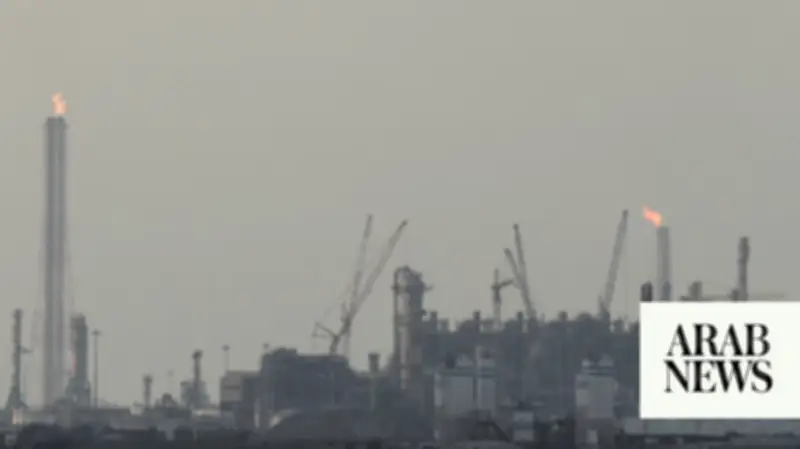
An explosion tore through Qatar's key natural gas export terminal at Ras Laffan on Sunday night as workers attempted to resume operations following an Iranian bombing during the war. The blast and subsequent fire injured at least 54 people, with 18 still missing hours later, according to Qatar's Interior Ministry.
Restart Efforts Trigger Explosion
Qatar had shut down production after Iran's chokehold on the Strait of Hormuz prevented shipments to clients. As Iran loosened its grip amid negotiations for a permanent end to the war, Qatar began work to restart its export terminal. On Sunday night, that work sparked an explosion and fire at the Barzan gas supply facility, state-run QatarEnergy reported.
The scale of the damage remains unknown. Initially, officials said only a few people had been hurt, but hours later the Interior Ministry released far-greater casualty figures. The Barzan plant had a capacity of nearly 1.4 billion standard cubic feet of sales gas per day, used primarily for local electricity generation and to power water desalination plants in the desert reaches of the Arabian Peninsula.

Global Energy Market Impact
The blast could cause further chaos in global energy markets, as Qatar remains one of the world's top natural gas producers. Qatar owns nearly all of the plant, with a small share held by ExxonMobil. The oil company did not immediately respond to a request for comment.
In March, an Iranian missile hit Ras Laffan, sparking a fire that caused extensive damage before it was extinguished. Qatar had already halted production there because of Iranian attacks. Qatar shares its massive offshore natural gas field in the Arabian Gulf with Iran.
Qatar's Wealth and Global Role
Natural gas production has made Qatar wealthy. It has used that money to raise its profile worldwide through hosting the 2022 FIFA World Cup, creating the Al Jazeera news network, and funding its work as an international mediator, including talks in Switzerland between Iran and the United States.