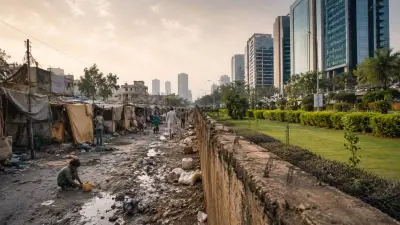
Hunger and Malnutrition Reach Critical Levels in Pakistan
According to a recent report by the Pakistan Institute of Development Economics (PIDE), over 40% of Pakistan's population is food insecure, with 20% classified as severely undernourished. The crisis is exacerbated by soaring inflation, rising poverty, and climate-related disasters such as floods and droughts.
Inflation and Poverty Driving Food Insecurity
The report highlights that food inflation has reached 30%, making basic staples unaffordable for millions. Dr. Nadeem Ul Haque, Vice Chancellor of PIDE, stated, "The current economic policies are failing to address the root causes of hunger. We need immediate interventions to stabilize food prices and support vulnerable households."
Poverty rates have also climbed, with over 40% of the population living below the poverty line. The combination of high food prices and low incomes has forced many families to reduce meal sizes or skip meals entirely.

Climate Shocks Worsen Food Production
Pakistan has faced severe climate-related challenges, including the devastating 2022 floods that destroyed millions of acres of crops. The floods affected over 33 million people and caused an estimated $30 billion in damages. Agricultural output has yet to recover, leading to reduced food availability and higher prices.
Dr. Abid Qaiyum Suleri, Executive Director of the Sustainable Development Policy Institute (SDPI), noted, "Climate change is no longer a distant threat; it is a present reality that is undermining food security. Adaptation measures are urgently needed to protect farmers and food systems."
Child Malnutrition Rates Alarming
The crisis is particularly severe for children. The report indicates that 40% of children under five are stunted, and 18% suffer from wasting. These rates are among the highest in South Asia. Malnutrition has long-term consequences for cognitive development and future earning potential.
The United Nations Children's Fund (UNICEF) has warned that without immediate action, the situation could deteriorate further. UNICEF Representative in Pakistan, Abdullah Fadil, said, "Children are bearing the brunt of this crisis. We are seeing increased cases of severe acute malnutrition, and health facilities are overwhelmed."
Government Response and Recommendations
The government has announced a food security package worth Rs. 200 billion, including subsidies on wheat and sugar, and the expansion of the Benazir Income Support Programme (BISP). However, critics argue that these measures are insufficient and poorly targeted.
PIDE recommends a multi-pronged approach: investing in climate-resilient agriculture, improving social safety nets, and addressing structural issues in the food supply chain. Dr. Haque emphasized, "We need to shift from short-term relief to long-term solutions. This includes reforming agricultural policies, reducing post-harvest losses, and promoting sustainable farming practices."
International Aid and Future Outlook
International organizations such as the World Food Programme (WFP) and the Food and Agriculture Organization (FAO) are providing assistance, but funding gaps remain. The WFP has appealed for $300 million to support food assistance programs in Pakistan.
Looking ahead, experts warn that without significant policy changes and international support, the hunger crisis will deepen. The upcoming monsoon season poses additional risks of flooding, which could further disrupt food production. The nation's ability to feed itself hangs in the balance.