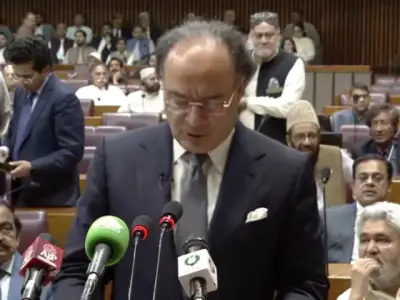
Prime Minister’s Adviser on Political Affairs Rana Sanaullah has indicated that petrol prices in Pakistan could decline further as international oil prices continue to ease following the de-escalation of tensions between the United States and Iran.
Government Monitoring Global Markets
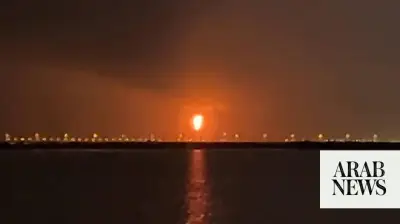
Rana Sanaullah said the government has constituted a dedicated team to closely monitor developments in global petroleum markets and evaluate their impact on domestic fuel prices. He noted that international oil prices surged during the conflict involving the United States, Israel and Iran due to concerns over regional stability and potential disruptions to energy supplies.
In response to the volatility, the government adopted a weekly review mechanism for petroleum prices. The adviser said oil marketing companies were compelled to procure fuel at elevated rates during the period of uncertainty to ensure adequate supplies across the country.

Market Fluctuations and Profit Claims
Rana Sanaullah added that claims suggesting companies earned excessive profits during the crisis did not fully account for the realities of market fluctuations. He explained that while companies may benefit from price movements during certain periods, they also face losses when market trends reverse.
He said the government would assess the gains and losses within the petroleum sector while ensuring the smooth functioning of the pricing mechanism. Reaffirming the government's commitment to consumer relief, Rana Sanaullah said any reduction in international oil prices would be passed on to the public.
Warning Against Artificial Shortages
However, he warned that authorities would take strict action against any attempt to create an artificial fuel shortage or disrupt market supplies. His remarks come as global crude oil prices have declined in recent days, raising expectations of further relief for consumers if the downward trend persists.
Brent crude dropped by more than one percent on Thursday, falling below its pre-conflict closing level as investors expressed optimism over potential US-Iran peace talks and the continued flow of oil tankers through the Strait of Hormuz. The benchmark contract for August delivery touched a low of $72.44 per barrel, compared with its February 27 closing price of $72.48.
Price Surge During Conflict
Oil prices had surged sharply during the conflict, reaching as high as $119 per barrel amid fears of supply disruptions. The easing of tensions has led to a decline, benefiting consumers in Pakistan who have faced high fuel costs.