Following a significant increase in petroleum prices, public transport operators across Pakistan have raised fares, with minimum stop-to-stop fares fixed at Rs50 and goods transport charges also sharply increased. The hike comes after the government raised petrol prices by Rs14 per litre, triggering immediate fare revisions and fresh inflationary pressures.
Local and Long-Route Fare Increases
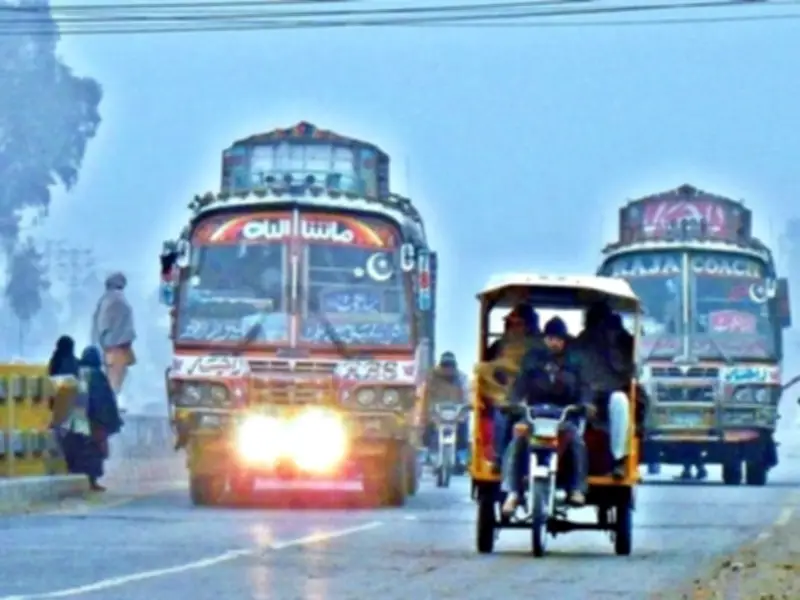
Local transport operators in Rawalpindi have increased fares by Rs20 per passenger, while services operating to surrounding areas raised fares by Rs30 per passenger. Additional charges are now imposed on passengers' luggage, and fares are being charged for children aged eight years. Long-route operators increased fares by Rs100 to Rs250 per passenger, with the AC coach fare from Rawalpindi to Murree rising to Rs700.
Local Qingqi rickshaws, bike taxis, and motorcycles also raised fares, while loader rickshaws increased loading charges by Rs500. Pick-and-drop charges for working women travelling between home and office have also increased.

Citizen and Trader Criticism
Citizens and commuters criticized the immediate implementation of fare hikes. Arshad Ali and Fayyaz Hassan noted that transporters did not reduce fares for a week when the government previously lowered fuel prices despite administrative pressure, but raised fares immediately after the latest increase. Traders Azmat Khan and Wajahat Ali warned that the increase in trailer freight charges from Karachi would trigger another wave of inflation, as the additional transport cost would ultimately be passed on to consumers.
Transporter Justification
Transport Federation Patron-in-Chief Haji Zahoor Arain said fare increases become unavoidable whenever petrol and diesel prices rise. He cited vehicle prices, spare parts, tyres, heavy traffic fines, drivers' and conductors' salaries, taxes, fees, and repeated increases in toll taxes as contributing factors to higher transport costs.
Regulatory Response
The Secretary of the Regional Transport Authority said transporters would be consulted on Monday to finalize revised fares, after which an official notification would be issued. He added that displaying approved fare lists would be mandatory and action would be taken against overcharging and overloading.
Context of Fuel Price Fluctuations
The price hikes come after the government had reduced fuel prices in June. However, sources and experts suggest that fresh tensions in the Middle East have led to rising oil prices. Pakistan sources most of its petrol and continues to review fuel prices on a weekly basis since the start of the US-Iran tensions.