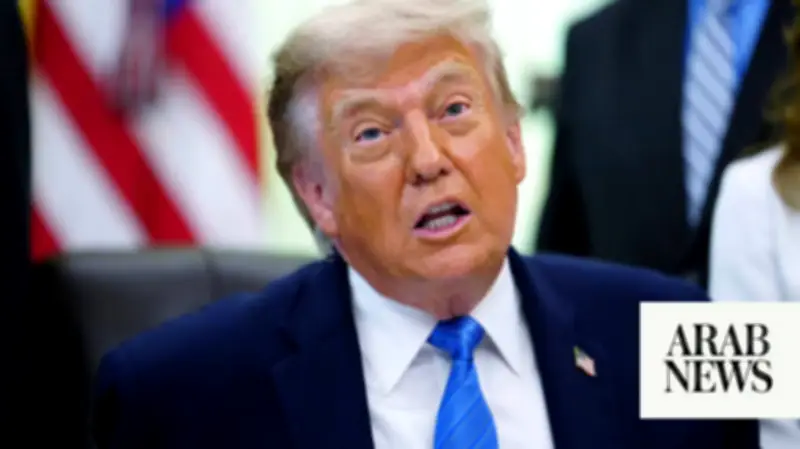
President Donald Trump on Wednesday offered a surprising perspective on inflation, stating that he 'loves' it despite the challenges it poses to American households. Speaking in the Oval Office, Trump was asked about the latest Consumer Price Index report, which showed a 4.2% increase in May compared to the previous year. Instead of dismissing the data or defending his economic record, Trump embraced the numbers, declaring his affection for inflation.
Trump's Unexpected Comments
'You know what I really love? I love the inflation,' Trump said, catching many off guard. This marked a shift from his previous stance, where he had either downplayed inflation as a Democratic hoax or promised to reduce it. With midterm elections approaching, the economy remains a top concern for voters, and Trump has received low marks on handling the issue. Democrats quickly seized on his remarks, with Senate Democratic Leader Chuck Schumer posting on X, 'Trump really said, 'I love the inflation.' On camera. For all of America to hear. His contempt for you knows no bounds.'
Democrats React
House Democratic Leader Hakeem Jeffries quipped that with Trump's stated love of inflation, 'We finally found something that Donald Trump loves as much as he loves himself.' Rep. Emilia Sykes of Ohio pressed Energy Secretary Chris Wright at a hearing, asking if he too loved inflation. Wright initially avoided the question, stating, 'I love ending Iran's ability to have a nuclear weapon,' but later conceded, 'No, I would prefer lower inflation.' When asked about Trump's comments, Wright described him as 'an entertaining, hyperbolic guy who's done tremendous leadership.'

Trump's Explanation
Trump argued that higher prices are solely due to the Iran war raising energy costs. He claimed that a secret military operation had transported 100 million barrels of oil through the Strait of Hormuz, which has been effectively closed since late February due to the conflict. 'I'm just announcing today for the first time, but we've been taking out millions of barrels of oil, millions of barrels every night,' Trump said. He asserted that these shipments have caused oil prices to fall below $90 a barrel, down from over $110 in early April.
Context and Skepticism
Before the war, an average of 20 million barrels of oil passed through the strait daily, meaning Trump's claimed 100 million barrels would represent only five days of normal shipments. No immediate data was available to verify the total, and the U.S. military's role remained unclear. Financial markets reacted cautiously, with U.S. crude oil futures rising about 4% on Wednesday to nearly $92 a barrel, amid ongoing airstrikes against Iran and retaliatory attacks.
White House Response
The White House pointed to drops in May prices for new vehicles, prescription drugs, and auto insurance. However, when inflation is paired with wage changes, it indicates a decline in spending power. White House spokesman Kush Desai stated, 'President Trump has consistently maintained that oil and gas prices — and thus overall inflation — will plummet once the Iran situation is resolved, and the administration will continue pushing our affordability agenda to enable Americans to keep more of their hard-earned money.'