War Fuels Inflation and Economic Disparity
Due to the ongoing state of war, the prices of essential commodities have risen sharply. Petrol and diesel prices are soaring, while the purchasing power of ordinary people has declined significantly. The economic condition of the middle and lower classes has deteriorated, whereas the businesses of wealthy traders and industrialists continue to thrive. This widening economic disparity is creating serious social and financial problems.
Education Becomes Inaccessible
As a result of rising inflation and financial pressure, many parents struggle to keep their children enrolled in school. A large number of families cannot afford quality education. Moreover, there is no effective regulatory system to monitor fees charged by private educational institutions, making education increasingly inaccessible for ordinary citizens. Meanwhile, government educational institutions are gradually being handed over to the private sector. There are concerns that these institutions may soon impose regular and substantial fees, further worsening the situation for low- and middle-income families.
Environmental Degradation and Contradictions
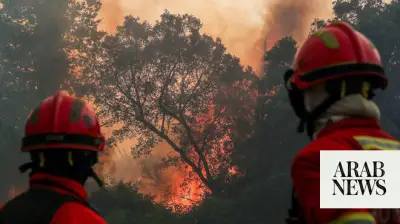
Climate change poses severe threats to the environment worldwide. Frequent climatic variations, storms, and hurricanes are creating serious challenges for life on Earth. On one hand, tree-planting campaigns are promoted enthusiastically; on the other, deforestation continues at an alarming rate. Similarly, while there is constant discussion about environmental protection, agricultural land is rapidly being converted into residential colonies. Such contradictory behaviour raises serious questions about our priorities and commitment. It is noteworthy that forest cover in Punjab is only 2.53%, which is critically low. Environmental degradation is accelerating, posing threats to future generations.

Lack of Playgrounds and Sports Facilities
Another pressing issue is the physical health of students and children, for which no organised system exists. Even cities, let alone villages, face a shortage of playgrounds and sports facilities. It is often said that where playgrounds thrive, hospitals remain empty. A healthy mind develops in a healthy body. Due to the lack of playgrounds, students’ use of social media is increasing rapidly, which wastes time and negatively influences the younger generation. The need of the hour is for the government to take concrete steps to establish sports complexes and playgrounds. If funds are limited, philanthropists and charitable organisations can be involved, as they often participate enthusiastically in welfare activities. The government owns vast tracts of land in cities and villages across Punjab, and should immediately utilise these for sports infrastructure. District administrations can also play an effective role through community-based initiatives. If implemented, such measures will not only be welcomed by the public but will also improve key performance indicators (KPIs).