On 5 June 2026, while Chashma reservoir stood just four feet below its maximum conservation level and Tarbela was still storing water at the rate of nearly 29,000 cusecs, Kotri Barrage recorded zero discharge downstream. The Indus River Bulletin of that day told a clear story. Only 87,998 cusecs approached Sindh at Taunsa and Panjnad combined. By the time the flow reached Guddu, it had fallen to 74,878 cusecs. Shortages at Sindh’s three barrages ranged from 29 per cent at Guddu to 36 per cent at Sukkur and a devastating 57 per cent at Kotri. The overall provincial shortage stood at 39 per cent. Downstream of Kotri, the river had effectively stopped flowing.
This is early June. The monsoon is still more than a month away. In normal reservoir management, June is not the month for aggressive storage. It is the period when space should be maintained to absorb the first monsoon inflows while simultaneously meeting the irrigation requirements of the early Kharif season. Yet on this day, Chashma was almost full, Tarbela was gaining storage despite having nearly 97 feet of airspace still available, and even Mangla, which now benefits from the additional height created by the post-2009 raising, was also in storage mode.
Operational Priorities Questioned
When the system was generating surplus flows, the decision to keep storing rather than releasing more water downstream raises serious questions about operational priorities. At the same time, significant volumes of water were being diverted through the Chashma–Jhelum and Taunsa–Panjnad link canals, with combined withdrawals estimated at 25,000 to 26,000 cusecs. These transfers move Indus water out of the main channel and into the Jhelum–Chenab system upstream of Sindh.

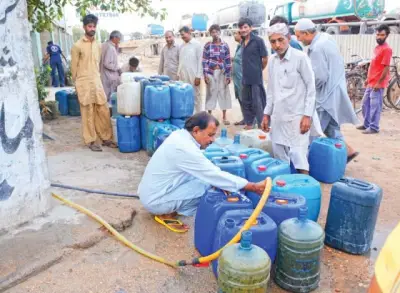
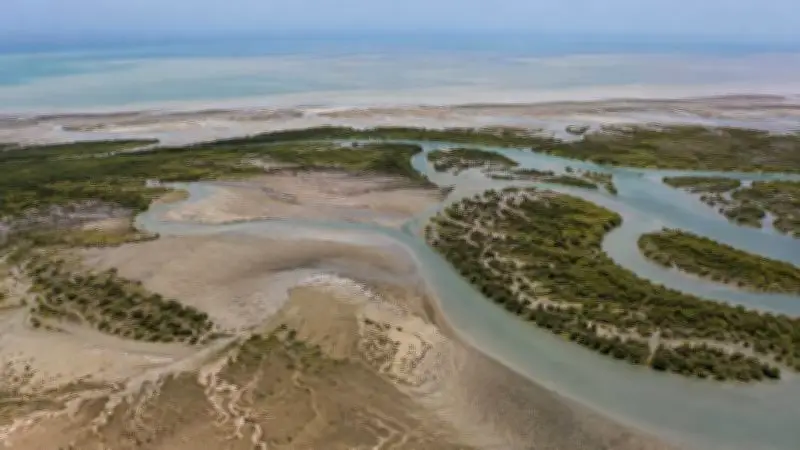
The result was visible at Sindh’s barrages: reduced supplies, rotational closures in many areas, and zero flow reaching the sea. The Indus Delta, already under severe stress from sea water intrusion, received no relief on this day.
Impact on Sindh and the Delta
It is often argued that reservoir operations must balance multiple objectives, including irrigation, hydropower, and flood management. That balance, however, cannot be achieved if the needs of the lower riparian and the ecological survival of the delta are treated as secondary. When Kotri Barrage, the last control structure before the Arabian Sea, is starved while upstream reservoirs continue to fill in early June, the operational logic becomes difficult to defend on technical or equitable grounds.
The 1991 Water Apportionment Accord was designed to protect provincial shares and to give due recognition to Sindh’s position as the lower riparian. Persistent and severe shortfalls at the tail end of the system undermine that framework in practice. The human and environmental costs are direct. Farmers across the Guddu, Sukkur, and Kotri commands face uncertainty in water availability during the most critical weeks for rice transplantation and other early Kharif crops. Coastal communities in Thatta, Badin, and Sujawal districts watch the river die before it reaches them, accelerating the loss of mangroves, fisheries, and freshwater sources.
National Implications
It must be realised that the loss of Sindh is Pakistan’s loss. The Indus River does not end at the provincial boundary. Its health, its flow regime, and the productivity of the lands and communities it sustains are integral to the country’s food security, its environmental stability, and its social cohesion. When operational decisions consistently leave the lower reaches deficient while storage continues upstream during periods when space should be created for monsoon inflows, the entire basin ultimately bears the consequences. The delta’s degradation, the stress on Sindh’s irrigation system, and the repeated failure to maintain meaningful flows below Kotri are national concerns, not merely provincial ones.

The data from a single day in early June reveals a pattern that has become familiar. Water is available in the system. Reservoirs have space. Yet the releases and diversions are arranged in a manner that leaves Sindh’s barrages and the Indus Delta short. Until reservoir operations and inter-provincial water management are conducted with genuine transparency and with consistent weight given to downstream requirements and the protective intent of the 1991 Accord, Sindh will continue to ask the same question every season: who is setting these scores, and why is the lower riparian and the delta so often left to carry the deficit?