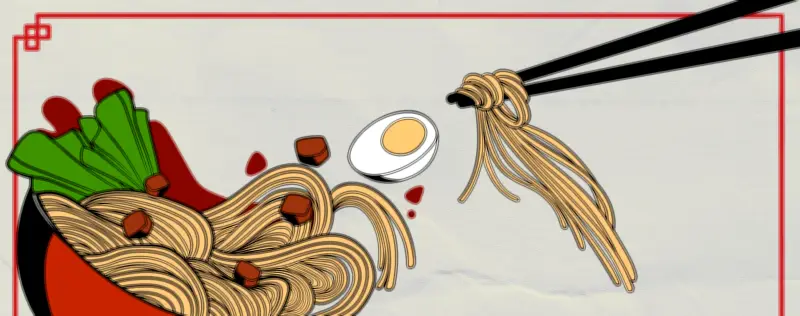
Chinese food in Pakistan is no longer just an imported cuisine; it has been deeply integrated into the local food landscape, adapting to Pakistani tastes and becoming a staple in households and restaurants across the country. This culinary transformation reflects a broader cultural exchange that has taken place over decades.
Origins of Chinese Cuisine in Pakistan
The journey of Chinese food in Pakistan began with the migration of Chinese workers and traders during the 19th and early 20th centuries. However, it was the opening of the Karakoram Highway in the 1970s that significantly boosted cultural and culinary exchanges between Pakistan and China. This route facilitated the movement of people and goods, introducing more authentic Chinese ingredients and cooking techniques to Pakistan.
According to food historian Dr. Salman Hussain, "The early Chinese restaurants in Karachi and Lahore catered primarily to expatriates, but soon they started modifying their dishes to suit local palates, using more spices and oil." This adaptation was crucial for the cuisine's acceptance.

The Rise of Desi Chinese Cuisine
Over time, a unique hybrid known as "Desi Chinese" emerged. This version incorporates local spices such as cumin, coriander, and chili, and often includes vegetables like capsicum and cabbage that are common in Pakistani cooking. Popular dishes like Chicken Manchurian, Sweet and Sour Chicken, and Chow Mein have become ubiquitous, served in everything from street stalls to high-end restaurants.
A 2022 survey by the Pakistan Food Council found that over 60% of urban Pakistanis eat Chinese food at least once a month. The same survey noted that the number of Chinese restaurants in major cities has tripled since 2010, indicating the cuisine's growing popularity.
Cultural Integration and Local Adaptations
The integration of Chinese food into Pakistani culture is also evident in its presence at social events. Chinese dishes are now common at weddings, birthday parties, and even religious gatherings. "Chinese food has become a symbol of modernity and sophistication," says Lahore-based event planner Ayesha Khan. "It's now expected at any large gathering."
Local adaptations have also given rise to dishes like "Chicken Corn Soup" and "Hot and Sour Soup," which are often served with a side of fried noodles. These soups have been modified to include more chicken and vegetables, making them heartier and more aligned with Pakistani meal preferences.
Impact of Chinese Restaurants and Chefs
The proliferation of Chinese restaurants has also created a new generation of Pakistani chefs trained in Chinese cooking. Many have traveled to China for training, bringing back authentic techniques that they then adapt locally. "We use local ingredients like desi ghee and yogurt to create sauces that are familiar to Pakistani taste buds," explains Chef Ali Raza, owner of a popular Chinese chain in Islamabad.
According to the Pakistan Chefs Association, the number of Chinese cuisine specialists has increased by 40% in the last five years. This has not only boosted culinary expertise but also created employment opportunities in the food sector.
Economic and Trade Influences
The China-Pakistan Economic Corridor (CPEC) has further strengthened culinary ties. With increased trade, more Chinese sauces, noodles, and spices are available in Pakistani markets. Local manufacturers have also started producing Chinese-style products, such as soy sauce and chili paste, tailored to local preferences.
"CPEC has made it easier to import authentic Chinese ingredients, but we are also seeing local production of these items," says food importer Ahmed Malik. "This has reduced costs and made Chinese cooking more accessible to the average Pakistani."
Future of Chinese Food in Pakistan
As Chinese food continues to evolve in Pakistan, it is likely to become even more integrated into the national cuisine. Food experts predict further fusion, with Chinese techniques being applied to traditional Pakistani dishes. "We are already seeing dishes like Chinese-style biryani and Manchurian kebabs," notes Dr. Hussain. "This is just the beginning of a long and flavorful relationship."

The popularity of Chinese food shows no signs of waning. With a growing middle class and increasing exposure to international cuisines, Pakistani Chinese food will continue to thrive, offering a unique taste that is both foreign and familiar.