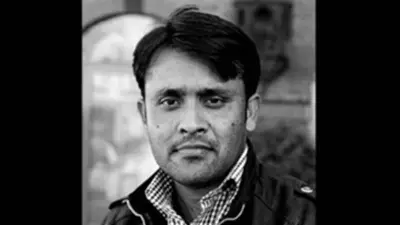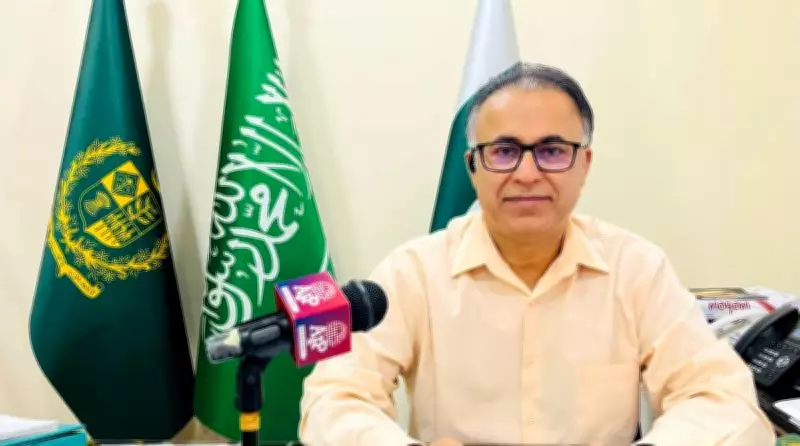
Pakistan has successfully maintained Hajj expenses at a stable level for the past four years, despite global inflation, rising operational costs in Saudi Arabia, and currency fluctuations, according to Abdul Wahab Soomro. Speaking in an exclusive interview with Associated Press of Pakistan, the Director General Hajj and Head of the Pakistan Hajj Mission in Jeddah said that sweeping administrative reforms, digital governance, and strategic planning have significantly improved service delivery for pilgrims.
Accommodation and Digital Governance
Soomro revealed that accommodation arrangements for Hajj 2026 include 278 buildings housing 118,925 Pakistani pilgrims across key areas such as Al-Aziziyah, Bathah Quraish, An-Naseem, Rai Bakhshi, Jarwal, and Nuzha. Notably, the entire process—from approval to inspection and documentation—was conducted through the Saudi digital platform “Masar,” ensuring transparency and efficiency. Soomro noted that several major countries, including Indonesia, Malaysia, India, and Iraq, have also opted to house their pilgrims in Al-Aziziyah, reflecting the area’s growing importance. To facilitate movement, a 24-hour free shuttle service has been arranged for pilgrims, ensuring easy access to the Haram.
Financial Reforms and Refunds
Highlighting financial reforms, Soomro said improved negotiations and transparent systems have resulted in unprecedented savings. Over the past three years, a record Rs27 billion has been refunded to pilgrims—Rs17 billion in 2023, Rs7 billion in 2024, and Rs3 billion in 2025, marking the largest refund in the country’s Hajj history. All financial transactions and contracts are now executed digitally through the Masar portal, minimizing corruption and human error.

Innovative Programs and Facilities
Among key initiatives, the “Short Hajj” program has witnessed a sharp rise in popularity, with participation increasing from 17,000 pilgrims in 2023 to 41,825 in 2026, accounting for over 35% of total pilgrims. Additionally, the introduction of “Family Roaming” has allowed families to stay together in shared accommodations, a facility chosen by nearly 14% of pilgrims this year. The “Green Baggage” system has further streamlined luggage identification, significantly reducing cases of lost baggage. Facilities at the holy sites (Mashair) have also been upgraded, replacing traditional tents and air coolers with full air-conditioning. Pilgrims are now provided SIM cards upon arrival, while a WhatsApp-based command system ensures real-time coordination and mandatory building inspections 72 hours in advance.
Transport and Demographics
For Hajj 2026, 118,925 Pakistanis will perform the pilgrimage under the government scheme, with a majority under the age of 70. Transportation arrangements include 55% of pilgrims traveling via train and 45% by bus, with most departures from Islamabad, Lahore, and Karachi. Soomro, who received the Saudi government’s Excellence Award last year, reaffirmed that the mission’s core objective remains to make Hajj more accessible, comfortable, and memorable for every pilgrim.