Alarming Study: One in Four Pakistani University Students Exposed to Online Extremist Content
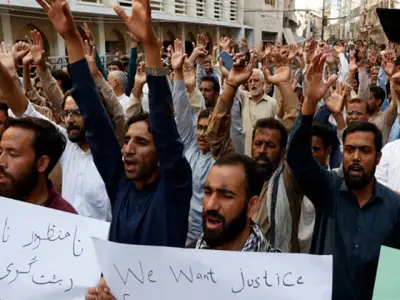
A shocking new report presented at a major academic seminar in Faisalabad has revealed that approximately one out of every four university students in Pakistan is exposed to extremist content online. This disturbing statistic comes alongside data showing a 40% surge in hate speech incidents on university campuses across the country over the past five years, painting a concerning picture of rising intolerance in higher education institutions.
Expert Analysis from Faisalabad Medical University
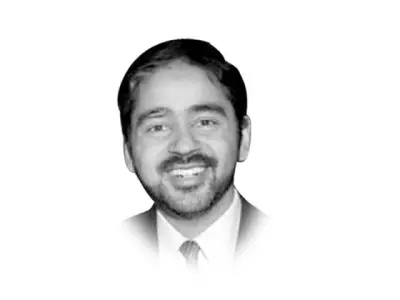
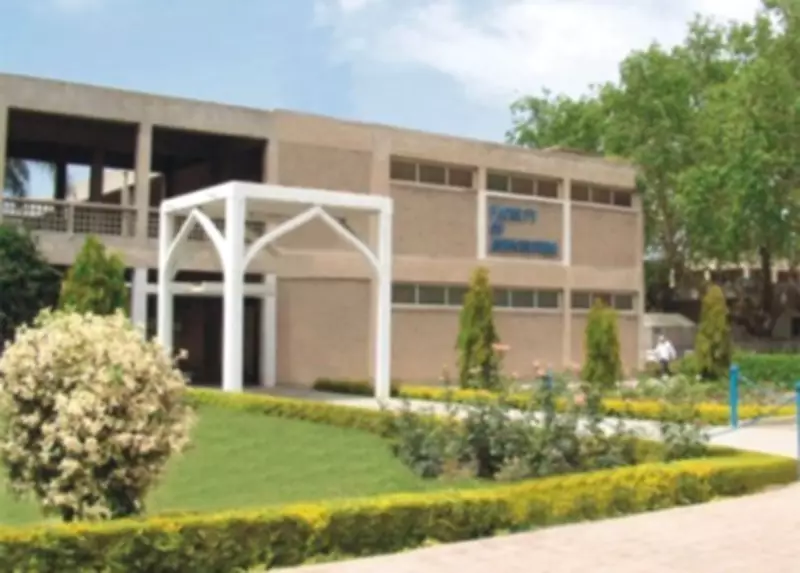
The alarming trends were highlighted by Dr. Imtiaz Dogar, Head of the Department of Psychiatry and Behavioural Sciences at Faisalabad Medical University. He spoke at a seminar titled "From Learning Spaces to Social Peace: Empowering Minds to Prevent Violence and Extremism", organized by the Institute of Agricultural Extension, Education and Rural Development at the University of Agriculture Faisalabad (UAF).
Dr. Dogar provided detailed psychological insights, explaining that certain behavioral red flags often serve as precursors to violence and extremist actions. These warning signs include:

- Social withdrawal and isolation from peers
- Persistent, unmanaged anger and aggression
- Rigid, inflexible thinking patterns
- Intolerance toward differing viewpoints and perspectives
Unique Risk Factors in Pakistani Universities
The psychiatrist identified several risk factors particularly relevant to the Pakistani university context that contribute to vulnerability among students:
- Social isolation among students living away from family support systems
- Unmanaged emotional stress from academic pressures and personal challenges
- Exposure to extremist narratives through online platforms and peer networks
- Lack of constructive engagement in positive campus activities and dialogue
Dr. Dogar emphasized that strengthening students' emotional resilience must become a priority for educational institutions. He called for creating campus environments that actively promote peace, critical thinking skills, and mutual respect among diverse student populations.
Call for Collective Social Responsibility
Khalida Rafiq, Regional Director of Faisalabad Social Welfare, reinforced the need for a comprehensive approach to addressing these challenges. She emphasized that preventing violence and extremism requires collective social responsibility that extends beyond university campuses.
"Families, educational institutions, and community organizations must work together to foster tolerance and respect among our youth," Rafiq stated during her address. According to her analysis, nurturing critical inquiry, reinforcing ethical values, and creating inclusive learning environments represent the most effective strategies for curbing intolerance before it escalates into more dangerous forms of extremism.
The seminar concluded with a consensus among participants that immediate intervention is necessary to address these troubling trends. Experts agreed that universities must develop comprehensive programs that identify at-risk students early, provide psychological support services, and create alternative narratives to counter extremist ideologies that target vulnerable youth populations.