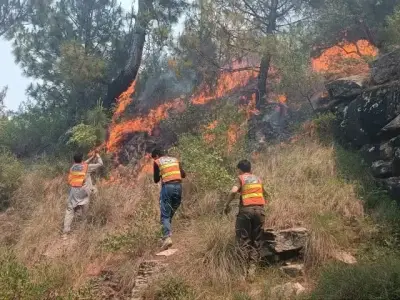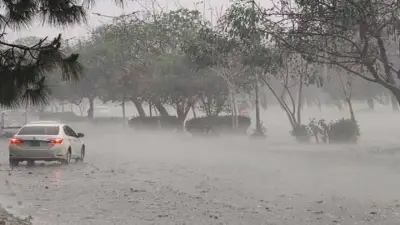
Pakistan is among the countries with a very low share of global environmental impacts but is disproportionately affected by climate change. The government is taking necessary practical steps to control pollution and improve the environmental situation. While speaking at a World Environment Day ceremony organized by IUCN in Lahore, Senior Minister of Punjab Marriyum Aurangzeb stated that the province has made extraordinary progress in environmental protection over the last two years. The government has installed environmental control systems in over nine thousand industrial units and implemented QR codes on over four thousand brick kilns to eliminate the chances of smog and reduce air pollution. All these appear to be excellent measures on paper, but more apparent outcomes of the bad air crisis have yet to be seen in the coming months when smog covers the provincial skies.
Installation vs. Continuous Operation
The installation of modern environmental control systems in industrial units by the provincial government of Punjab under the leadership of Chief Minister Maryam Nawaz is now being presented as a great success. If 9,000 industrial units have actually adopted these systems, then this is a positive step. However, the real question here is not about adopting modern technologies but about their continuous functioning. Past experiences depict that industrial owners install advanced technological systems out of fear of legal action or fines but fail to operate them to save on electricity costs or simply due to negligence.
Need for Digital Monitoring
Instead of being satisfied with claims of technological systems installation data, the government must devise a universal digital and automated monitoring system that can monitor the emissions of these factories round the clock. Only indiscriminate action against the units emitting toxic fumes can make the initiative fruitful. The other critical step involves installing QR codes on more than 14,000 brick kilns and their conversion to zigzag technology. Traditional kilns have been a major source of air pollution, causing serious damage to the environment by burning poor-quality fuels like old tires and rubber. The decision to register and monitor them through QR codes is a good initiative of modern governance, which will make it easier to identify illegal kilns and ensure the implementation of environmental laws.

Challenges in Rural Areas
The administration’s efforts have been in place to some extent, but in many rural and semi-urban areas, old-style kilns are still operating under the cover of darkness, and in those areas where the illicit backing of local officials is prevalent, understaffed monitoring teams and alleged corruption are becoming major obstacles to enforcing the law. Unless the Department of Environmental Protection is equipped with the latest equipment, drones and honest staff appointed on merit, these QR codes will remain just a paper record.
Expanding Scope Beyond Industry
The government’s comprehensive environmental strategy must be praised, but along with identifying its shortcomings, the need to further expand its scope should also be emphasized. Because the problem of smog and air pollution is not limited to industries, brick kilns, deforestation and construction activities, adopting sustainable efforts through the collective support of public and government stakeholders to address other causes of pollution is also the need of the hour.
Transport Sector as Major Contributor
It is true that the problem of smog and air pollution is not limited to industries and kilns. The biggest cause of air pollution in the country, and especially in Punjab, is the transport sector. Smoke-emitting vehicles running on the roads, the use of poor-quality fuel, and an unreliable fitness certification system that fails to cover all vehicular or non-vehicular emissions are the main reasons why no drastic and revolutionary progress has been seen yet. Unless the public transport system is shifted to electric vehicles across Pakistan and the use of green fuel is made mandatory, any war against smog will remain incomplete.

Agricultural Residue Burning
Along with this, the burning of crop residues is another major challenge, which makes Lahore and its surroundings the most polluted region in the world in October and November every year. The government has promised to provide super drought- and disease-tolerant seeds to farmers, but their distribution numbers are far lower than the requirement in the agricultural sector of Pakistan. Punishing or fining farmers without providing them with low-cost, better alternative technology is not a permanent solution.
Need for Long-Term Policies
There is no denying that improving air quality without bringing scientific reforms to the agricultural sector is impossible, as transboundary air pollution alongside our own poor agricultural practices gives rise to winter smog events and a pollution crisis throughout the year. Prime Minister Shehbaz Sharif, Chief Minister Punjab Maryam Nawaz and Senior Minister Marriyam Aurangzeb are right to state that providing a clean environment to the citizens is the government’s top priority, but long-term policies and consistency are needed to achieve this goal.
Call for Increased Budget and Action
While discourse on environmental problems intensifies on World Environment Day or when the smog crisis intensifies in November, climate activists, researchers, and policy experts have repeatedly warned in their writings and public briefings that the government will have to change its traditional approach. Yet, no single stakeholder, including the public, genuinely cares about their surroundings and well-being. Therefore, the current need is to increase the environmental budget, protect green belts, ban the indiscriminate cutting of trees, and promote Miyawaki forests in urban spaces. Ultimately, the government will have to move beyond the magic of statements and statistics and show real improvement in the Air Quality Index (AQI). Until the air in every metropolitan city and village in the country is breathable, all claims of environmental progress will remain unfulfilled.