In the sprawling Kingonze camp on the outskirts of Bunia, eastern Democratic Republic of Congo, Dorcas Mapenzi lives in constant fear. Alongside more than 25,000 other displaced people, she worries that the deadly Ebola virus could sweep through the crowded settlement. "If Ebola comes, we'll be wiped out as we're packed like sardines," she told AFP.
Ebola outbreak in conflict zone
The current outbreak, declared on May 15 in the DRC and neighboring Uganda, has already claimed lives. As of May 31, the World Health Organization (WHO) reported 321 confirmed cases in the DRC, including 48 deaths. Uganda has nine confirmed cases and one fatality. The epicenter is Ituri province, where decades of armed conflict have displaced millions, forcing them into cramped camps.
Conditions ripe for disease
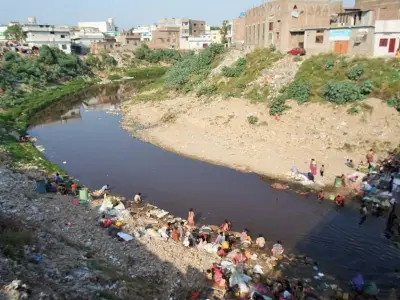
No cases have been recorded at Kingonze yet, but conditions are ideal for Ebola transmission through close contact and bodily fluids. "I've already heard of Ebola and it's a disease that scares me a lot," Mapenzi said while washing laundry. "We displaced people here have no hygiene. Our children play next to filthy toilets and relieve themselves on the ground, in the middle of the tarpaulins."

Deborah Nzale, a widow living with nine people in a three-square-meter shelter, echoed the concern. "Given these conditions, how are we going to protect ourselves? Everyone tells us to distance ourselves, but we sleep piled on top of each other. If a single person gets infected, everyone will die."
Lack of protective measures
No vaccine or treatment exists for the Bundibugyo strain responsible for this outbreak. Containment relies on protective measures and contact tracing, but Kingonze residents have received no protective gear. "People come with awareness messages, but we don't have kits to protect ourselves," said Budjo Amos. "I don't even have soap to wash my hands. The most urgent thing is clean water."
There is only one borehole in Kigonze, with water flowing just a few hours daily. Empty jerrycans pile up as residents plead for state intervention.
Government response criticized
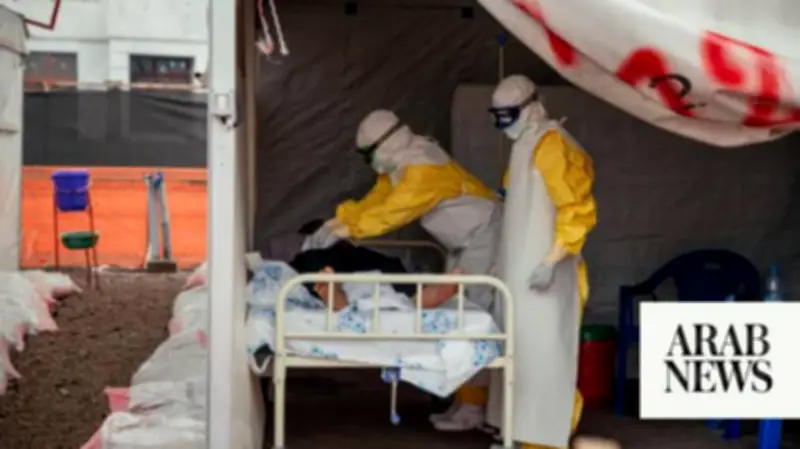
The Congolese state, long absent from parts of Ituri, has been criticized for a delayed response. Many hospitals lack essential equipment, including isolation tents. Lt. Gen. Johnny Luboya Nkashama, Ituri's military governor, said the province has about 61 camps housing nearly 970,000 people. "We need to deploy equipment and qualified medical staff as quickly as possible to spare this province from disaster," he told AFP.
WHO Director-General Tedros Adhanom Ghebreyesus warned that eastern DRC "faces a catastrophic collision of disease and conflict." Visiting Bunia on Saturday, he called for more international aid and efforts to combat misinformation and build trust among affected communities.