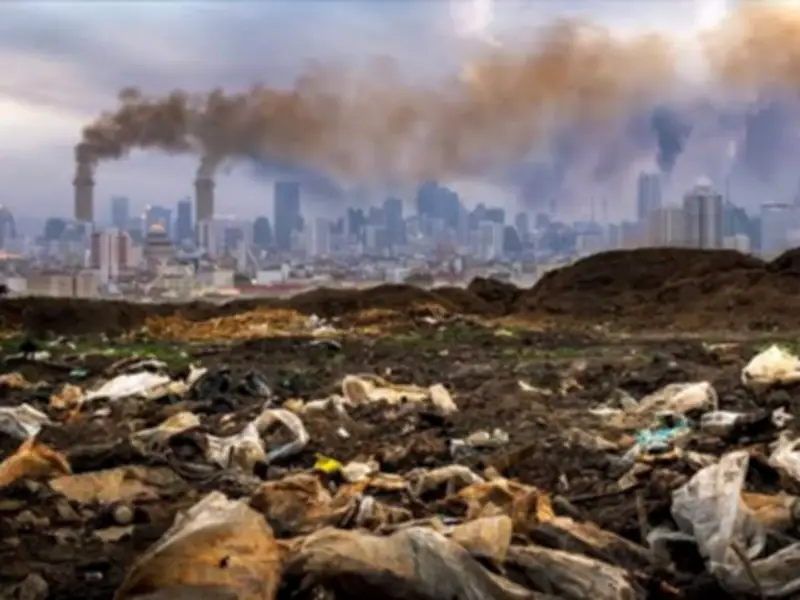
More than 88 percent of children tested near the Hattar Industrial Estate in Haripur district, Khyber Pakhtunkhwa, have hazardous levels of lead in their blood, according to medical tests conducted by UNICEF. Social activist Malik Ziafat Zaman has called for a health emergency to be declared in the area, citing severe air and water pollution from the industrial zone that is devastating the local population.
Pollution Crisis and Community Impact
Hattar Industrial Estate, once a revenue-generating hub, is now a major health threat, according to residents. The estate was built on fertile agricultural land, and its operations—including cement factories, lead-smelting units, and poultry industry—have caused widespread pollution. Zaman stated that deaths are affecting almost every household, and the community is living in distress. He blamed the Environmental Protection Agency (EPA) for failing to enforce environmental laws and protect public health.
UNICEF Findings and Health Emergency Call
UNICEF conducted medical tests on local children and found that over 88 percent had hazardous lead levels in their blood. Zaman said this finding alone warrants a health emergency declaration. However, he alleged that neither the health department nor public health authorities have taken meaningful action. He claimed that government institutions have been largely absent while residents have suffered for months.

Government Response and Inspection
Zaman acknowledged the support of Khyber Pakhtunkhwa Education Minister Arshad Ayub Khan, Yousuf Ayub Khan, and the Assistant Commissioner of Khanpur for responding to public concerns. He demanded that the KP chief minister and the EPA director general personally visit Hattar to assess the situation and ensure justice for affected residents.
Meanwhile, Farrukh Shahzad highlighted a recent inspection of the industrial estate by Deputy Director of Environment Muhammad Shahbaz Khan. Shahzad said the visit was not routine but reflected growing recognition of environmental issues raised by the Environmental Protection Forum through sustained advocacy. The forum documented evidence, represented affected communities, and highlighted ground conditions.
Inspection Outcomes and Compliance Deadlines
Shahzad reported that the inspection led to demands for accountability from industrial units, directives for compliance with environmental regulations, requirements for submission of relevant documentation, and a one-week deadline for corrective measures. The department focused on coal usage, toxic emissions, dust, and contaminated water. Shahzad noted that the forum's efforts in raising public awareness and mobilizing affected communities were effective in prompting this official action.