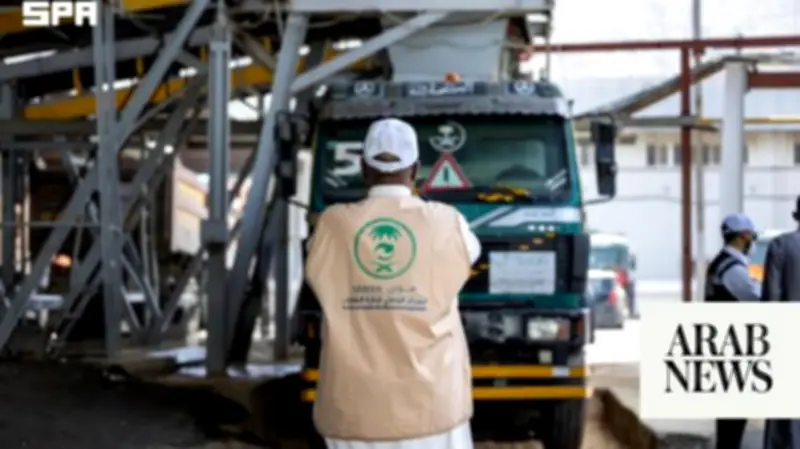
The National Center for Waste Management (MWAN) has successfully concluded its Hajj operations for 2026, achieving a notable reduction in environmental violations through the deployment of advanced technical and field systems. The center conducted 1,691 field inspection tours across Makkah and the holy sites, resulting in only 85 corrective notices and 54 penalties, a sharp decline compared to the previous year.
Enhanced Waste Management Systems
MWAN implemented source segregation of organic and solid waste in pilgrim camps to promote the circular economy and reduce health risks. The electronic transport document system was expanded to digitally track sacrificial animal waste, recording 1,112 documents and monitoring 25,823 tonnes of waste, of which 89 percent was solid and 11 percent liquid.
Sustainable Initiatives
The Sustainable Ihram program collected materials from 130 designated points at the Grand Mosque and Mina for recycling. Additionally, MWAN engaged 13 entities in a circular economy program and deployed 150 volunteers across 50 camps to ensure efficient waste management.

These operations were conducted in coordination with the Ministry of Environment, Water and Agriculture, and the Royal Commission for Makkah City and Holy Sites, reflecting an integrated national framework to protect the environment and improve service quality for pilgrims.