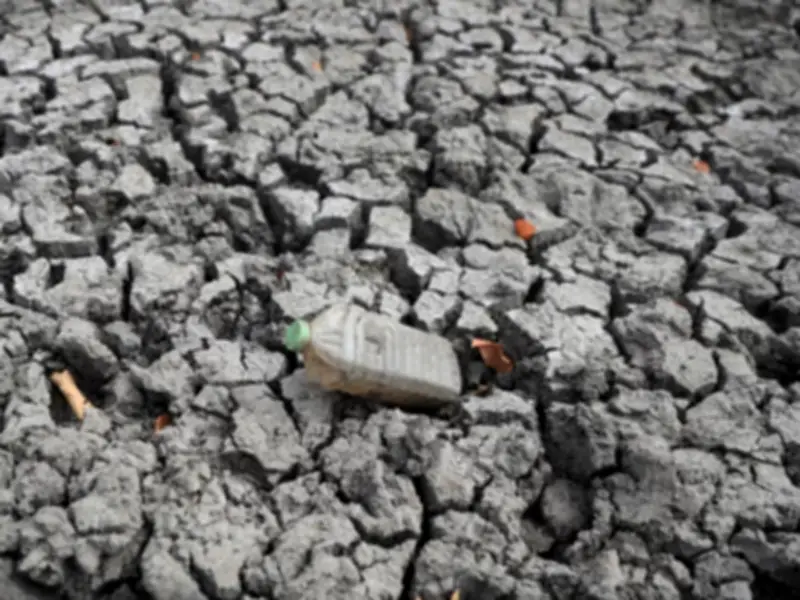
The United Nations weather agency forecast on Tuesday a moderate or possibly strong El Nino that could drive up global temperatures and increase the risk of extreme weather over the coming months. El Nino is a periodic warming of sea surface temperatures in the central and eastern Pacific Ocean, typically lasting between nine and 12 months, according to the World Meteorological Organisation (WMO).
WMO Predicts Above-Average Temperatures
The WMO said warm ocean waters were driving El Nino's development and predicted above-average temperatures in most parts of the world from June to August. It is likely El Nino will continue until November. The organization remained uncertain about the strength of El Nino as models differ on its severity, but officials warned of the need to be prepared.
"We need to prepare for a potentially strong El Nino event - which will exacerbate drought and heavy rainfall and increase the risk of heatwaves both on land and in the ocean," said WMO Secretary-General Celeste Saulo.

Potential Impacts: Droughts, Hurricanes, and Heat
The weather pattern is known to disrupt regional climates, potentially bringing warmer temperatures across the globe while increasing rainfall in southern parts of South America, the United States, parts of the Horn of Africa, and central Asia. El Nino can also cause drought in Australia, Central America, Indonesia, and parts of South Asia, and spur hurricane formation in the central and eastern Pacific, the WMO said.
The last strong El Nino, from 2023 to 2024, contributed to making 2024 the hottest year on record, Saulo noted. She added that other risks associated with extreme heat include a wider spread of diseases borne by vectors such as mosquitoes and ticks, and reduced food and water supplies.
Food Prices and Crop Concerns
For consumers facing inflation due to the Iran war, food prices may rise further because of El Nino. Hein Schumacher, CEO of Barry Callebaut, one of the world's largest cocoa processors, warned that crops in Ecuador and West Africa, which account for 60% of global output, could be reduced. "This is something that we are very cautiously observing," he said. "El Nino could have an effect that could lead to a few thousand per ton." London cocoa futures are trading at 2,944 pounds per metric ton, down from over 9,000 in April 2024.
National Weather Agencies and UN Response
Some national weather agencies have forecast the strongest El Nino in a decade. The WMO is more circumspect but observed unusually warm subsurface conditions across the tropical Pacific, with temperatures exceeding 6 degrees Celsius above average, creating a reservoir of heat driving surface warming. UN Secretary-General Antonio Guterres called it a reminder of the need to shift away from fossil fuels toward renewable energy. "The world must treat it as the urgent climate warning it is. El Nino conditions will pour fuel on the fire of a warming world," he said.
Impact on Asian Crops
Dry weather is disrupting crop planting across Asia, raising concerns about food supplies in the world's most populous region, and an expected severe El Nino could inflict more damage. From India's grain-producing northwestern plains to Australia's eastern wheat belt, and from Thailand's rice fields to Indonesia's vast palm oil plantations, hot weather and below-normal rains are hurting crops and forcing farmers to reduce planting.
El Nino-driven dryness is a double blow for farmers already grappling with fertiliser and diesel shortages caused by the Iran war. Wheat prices have risen about 20% since the start of 2026, largely due to drought in key US growing regions. Rice prices at major Southeast Asian export hubs have climbed around 15% over the past month on rising production costs and fears of tighter supplies.
Weather Patterns and Agricultural Effects
One of the strongest El Ninos on record is widely expected to develop in the second half of 2026, bringing hot-dry weather to Asia and excessive rains to the Americas, with global climate change worsening conditions. "The El Nino impact globally starts with Southeast Asia, India, Australia, before it has wider implications downstream in North America and South America," said Chris Hyde, a US-based meteorologist at SkyFi. Early signs of drought are already visible on high-resolution imagery across parts of Asia.

In India, the meteorological department further reduced its forecast for the four-month monsoon season, which delivers about 70% of annual rains. "With temperatures across most parts of the country remaining well above normal, conditions are currently unfavourable for the timely sowing of summer crops," said a New Delhi-based dealer. "Planting is likely to be delayed due to the late onset of the monsoon, but greater concern lies in the possibility of below-normal rainfall and prolonged dry spells." India mainly grows rice, soybeans, pulses, sugarcane, and corn in the summer season.
For Southeast Asian countries, dryness is hitting rice and palm oil yields. "Everybody is worried (about drought), it's risky," said Nerawat Oramah, a farmer in central Thailand. "For my second harvest, I have to wait and see the situation. It's a risk for everyone." Thailand and the Philippines plant their main rice crops in June-July, while Vietnam and Indonesia are now sowing second-season crops. Indonesia's most populated Java island and some areas in northern Sumatra, south Kalimantan, and Sulawesi have not experienced rain for more than 10 days, with medium to low rainfall expected in June.
Rice Prices and Fertiliser Shortages
Rice prices are edging up even though India, which accounts for 40% of global exports, has ample supplies after years of near-record harvests. "There is clear indication of crisis as rice prices have moved substantially higher without any major shortage," said a Singapore-based trader. "India has a huge rice stockpile, but the thinking is that very soon India will start looking at these stocks as a critical asset and may introduce export curbs if we see problems with the early part of the monsoon."
However, KKP Research in Thailand said some impact could be cushioned by strong reservoir levels. "What we are more concerned about is fertiliser supply," the bank noted. "We estimate that a fertiliser shortage could reduce rice production by up to 15-20% in the worst case."
Recent rains over parched Australian farmland have triggered late wheat sowing, but growers are wary of El Nino in the coming months that could hit yields. The Bureau of Meteorology predicts many cropping areas across New South Wales and Queensland will see 20 to 40 millimetres less rain than usual over the next three months. John Lowe, a farmer near Burcher in central New South Wales, said his total cropping area is still around 30% smaller than it could have been.
El Nino is likely to be neutral for China and the Black Sea region, while bringing more rains to the Americas. "Statistically speaking, there is not much correlation with weather in the US and El Nino during the summer," said Drew Lerner, president of World Weather Inc. "In a lot of years, we can come up with a little bit more moisture in an El Nino summer, but that does not really mean above-normal rainfall."