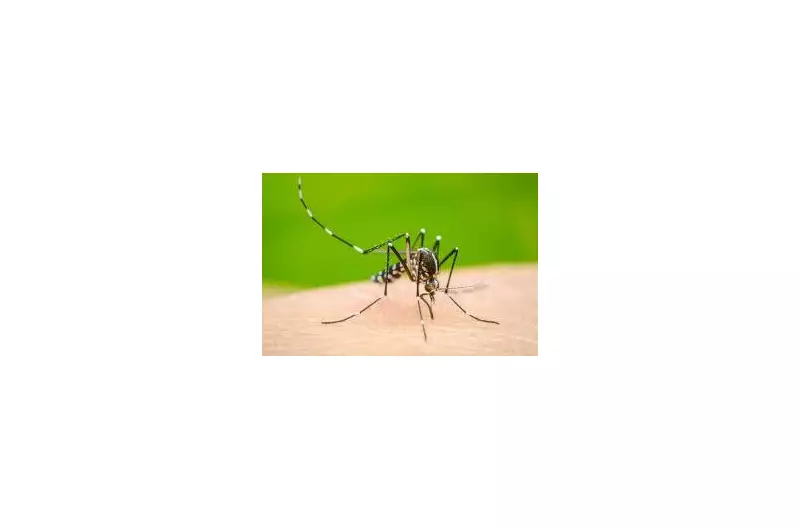
Health authorities in Pakistan have declared a state of emergency as dengue fever cases continue to surge alarmingly across Punjab and Sindh provinces. The rapid spread of the mosquito-borne disease has prompted immediate action from provincial health departments struggling to contain the outbreak.
Provincial Health Departments Sound Alarm
The Punjab health department has reported a significant increase in dengue cases throughout the province. Health officials confirmed that emergency measures are being implemented to control the spread of the virus. The situation has become particularly concerning in urban centers where population density and inadequate sanitation create ideal breeding conditions for mosquitoes.
Similarly, Sindh province faces a parallel health crisis with health facilities reporting a steady stream of dengue patients. The provincial health ministry has activated emergency response protocols and established dedicated dengue wards in major hospitals. Medical staff are working extended hours to manage the increasing patient load.

Government Response and Prevention Measures
Both provincial governments have launched comprehensive anti-dengue campaigns focusing on public awareness and mosquito control. Health teams are conducting fumigation drives in high-risk areas and eliminating standing water where mosquitoes breed. Public service announcements are being broadcast across various media platforms educating citizens about preventive measures.
The health departments emphasize that early detection and proper medical care significantly reduce dengue-related complications. Hospitals have established separate screening facilities for suspected dengue cases to prevent overcrowding in emergency departments. Medical supplies including platelet kits and intravenous fluids are being stockpiled to handle the anticipated increase in severe cases.
Public Advisory and Safety Recommendations
Health experts recommend that citizens take proactive measures to protect themselves from mosquito bites. Using mosquito repellents, wearing covered clothing, and installing window screens can significantly reduce exposure risk. Additionally, eliminating standing water in and around homes is crucial for controlling mosquito breeding.
Authorities advise individuals experiencing symptoms such as high fever, severe headache, pain behind the eyes, joint and muscle pain, rash, and mild bleeding to seek immediate medical attention. Timely medical intervention is critical for managing dengue fever and preventing potentially fatal complications like dengue hemorrhagic fever.
The current outbreak highlights the ongoing challenge of vector-borne diseases in Pakistan and underscores the need for sustained public health initiatives and community participation in prevention efforts.