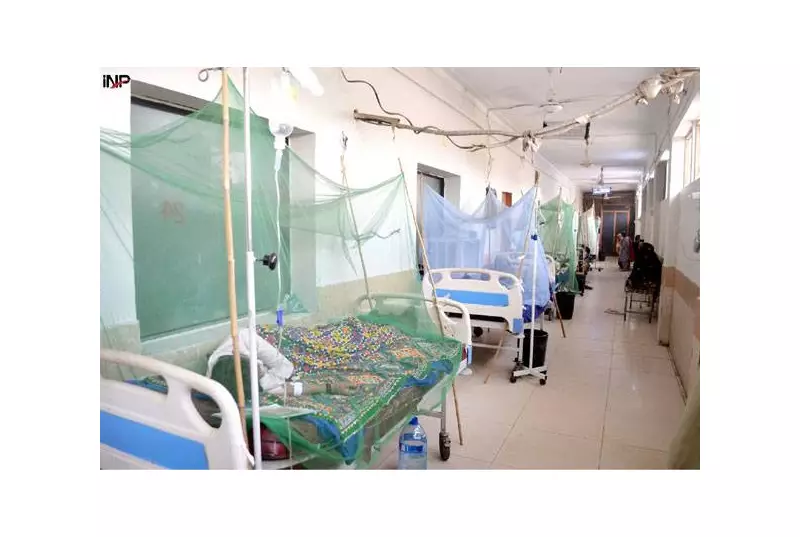
Islamabad has witnessed a remarkable decline in dengue fever cases following an extensive anti-dengue campaign launched by health authorities. The comprehensive drive has yielded significant results in controlling the spread of the mosquito-borne disease across the capital territory.
Massive Inspection Campaign Underway
Health department teams have conducted inspections at an impressive 45,000 different locations throughout Islamabad, targeting potential mosquito breeding sites. This widespread surveillance effort represents one of the most extensive anti-dengue operations in recent years.
Proactive Prevention Measures
As part of the containment strategy, health workers have sprayed approximately 1,000 residential houses with anti-mosquito insecticides. The spraying campaign focuses on high-risk areas and neighborhoods that have reported dengue cases in previous outbreaks.

Multi-Departmental Coordination
The successful operation involved coordination between multiple government departments, including:
- District Health Office teams conducting field inspections
- Local administration providing logistical support
- Community health workers engaging with residents
- Environmental protection agencies monitoring breeding sites
Public Awareness Campaign
Alongside the inspection and spraying activities, health authorities have intensified public awareness efforts. Residents are being educated about:
- Eliminating standing water from their premises
- Recognizing early symptoms of dengue fever
- Seeking immediate medical attention when needed
- Cooperating with health teams during inspection visits
"The decline in dengue cases demonstrates the effectiveness of our coordinated approach," stated a health department official. "However, we urge citizens to remain vigilant and maintain cleanliness around their homes to prevent mosquito breeding."
Sustained Efforts Required
While the current results are encouraging, health officials emphasize that continuous monitoring and public cooperation are essential to maintain this positive trend. The department plans to continue regular inspections and respond promptly to any new cases reported through the surveillance system.