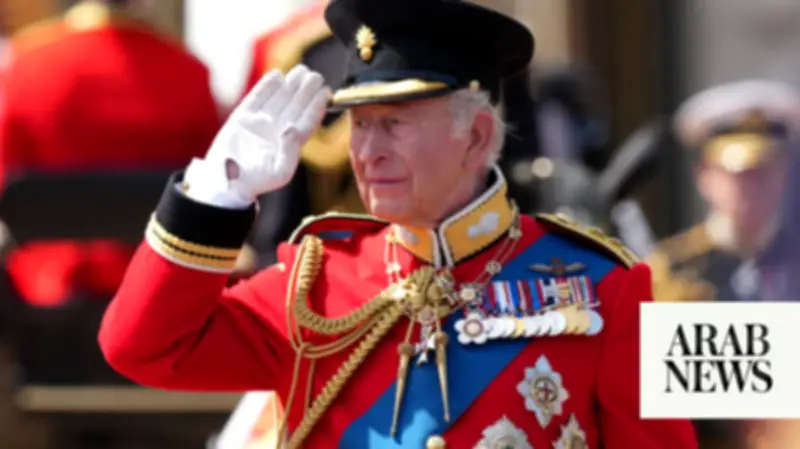
King Charles III will not reside at Buckingham Palace following the completion of a 10-year, 369 million-pound ($487 million) refurbishment program, as the monarchy seeks to expand public access to the historic building that has served as the royal family's London home for nearly 200 years.
King and Queen to Remain at Clarence House
Royal officials confirmed that the king and Queen Camilla will continue to work from the palace, which will remain “the ceremonial and operational center” of the monarchy. However, for the remainder of Charles’ reign, the couple will stay at nearby Clarence House, where Charles has lived since his time as Prince of Wales.
“It is and will remain Monarchy HQ, the crown jewel of our national buildings,” said James Chalmers, the senior royal official responsible for managing the king’s financial affairs. The decision was announced during a briefing on royal finances, where Charles became the first British monarch to disclose the taxes he paid to the government.

Royal Tax Transparency
The king paid 12.9 million pounds ($16.1 million) in income and capital gains taxes for the 2024-25 financial year, up from 11.7 million pounds the previous year. Prince William also released his tax details, paying 7.76 million pounds in income and capital gains taxes in 2024-25, down from 8.34 million pounds the prior year.
While Charles had released his personal tax information as Prince of Wales, this is the first time he has done so as monarch. The king’s tax affairs are normally confidential, but he chose to waive that privacy to distance the monarchy from controversies surrounding Andrew Mountbatten-Windsor, formerly Prince Andrew, and his links to convicted sex offender Jeffrey Epstein.
Modernization and Public Access
The announcements come as the royal family works to shift the narrative after months of embarrassing headlines about Mountbatten-Windsor. The public focus on him has overshadowed the king’s efforts to modernize the monarchy and demonstrate that the 1,000-year-old institution can evolve.
Buckingham Palace, built in the 1820s, has been the London residence of every British monarch since Queen Victoria. With 775 rooms, it houses the royal bureaucracy and hosts state dinners for visiting dignitaries. The palace is also a public focal point, drawing crowds for balcony appearances during historic events.
Refurbishment Program
In 2017, the royal household began a 10-year program to update obsolete plumbing, wiring, and heating, ensuring the building can serve the monarchy for another 50 years. The project is scheduled for completion next year. By choosing not to live there, Charles and Camilla will allow the palace to increase public access, hosting more events and expanding visitor tours. The palace currently receives about 700,000 visitors annually.
Ed Owens, author of “After Elizabeth: Can the Monarchy Save Itself,” expressed hope for a more radical proposal for the palace’s future. “I’m waiting to see whether there will be a sort of a more radical proposal for what Buckingham Palace might be in the future,” he told The Associated Press.
Transparency and Public Trust
Craig Prescott, an expert on constitutional law and the monarchy at Royal Holloway, University of London, noted that the decision to release tax details underscores the monarchy’s role as a public institution. “If they’re open and as transparent as possible, then the contrast with Andrew Mountbatten-Windsor becomes all the greater,” he said.