Provinces Unanimously Oppose Smart Lockdown Implementation
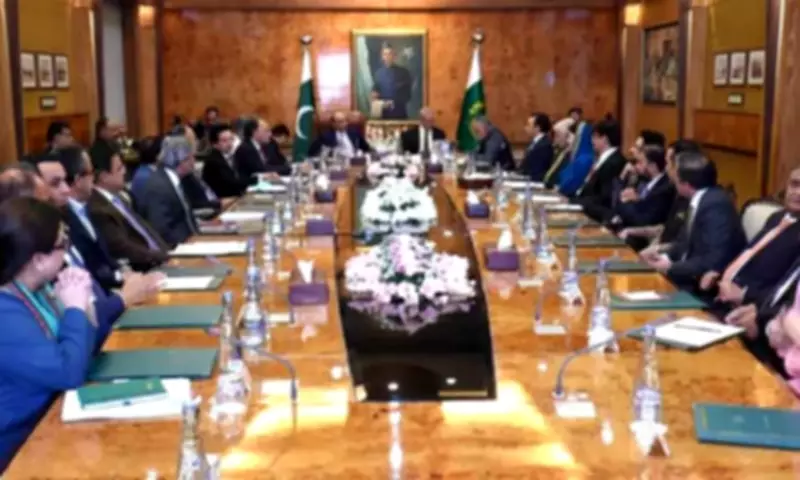
In a significant national consultative meeting held at Aiwan-e-Sadr, the chief ministers of all provinces collectively opposed the imposition of a smart lockdown across Pakistan. Instead, they pledged to implement stricter austerity measures to address economic challenges. The meeting, chaired by President Asif Ali Zardari, brought together the nation's top leadership including Prime Minister Shehbaz Sharif, provincial heads, and senior officials from Gilgit-Baltistan and Azad Jammu and Kashmir.
High-Level Attendance and Regional Security Review
The gathering featured prominent figures including Deputy Prime Minister and Foreign Minister Ishaq Dar, Defence Minister Khawaja Asif, Interior Minister Mohsin Naqvi, National Security Adviser Lt. Gen. Asim Malik, and Chairman PPP Bilawal Bhutto Zardari. Participants conducted a comprehensive review of the regional situation, examining potential impacts on Pakistan's security, economy, and food stability. Despite global uncertainties, officials confirmed that timely decisions have maintained uninterrupted fuel supplies with adequate reserves secured.
Economic Protection and Austerity Commitments
President Zardari directed authorities to implement all possible measures to shield the public, particularly vulnerable segments, from inflationary pressures exacerbated by oil and gas supply constraints and rising energy costs. Provincial representatives detailed their ongoing initiatives to control inflation, ensure essential goods availability, and reduce citizen burdens. The meeting emphasized full implementation of energy and fuel conservation strategies while urging provinces to contribute to the substantial Rs. 254 billion relief package.

- Immediate grounding of 60% of official government vehicles
- Reduction in government operational expenditures
- Significant cuts to development budgets
- Savings redirected toward public relief programs
Diplomatic Updates and Fuel Price Stability
Deputy Prime Minister Ishaq Dar briefed attendees on his diplomatic engagements with Turkey, Saudi Arabia, and Egypt, while announcing his upcoming visit to Beijing. Government sources revealed that Prime Minister Shehbaz Sharif has consistently rejected proposals to increase fuel prices, maintaining stability despite economic pressures. Officials reiterated that sufficient petroleum stocks remain available with future supply arrangements actively progressing.
Coordinated Approach and Public Awareness
President Zardari stressed the necessity for synchronized decision-making across economic management, energy planning, food security, and security preparedness. He emphasized launching public awareness campaigns to promote reduced fuel consumption, increased public transport usage, and widespread adoption of carpooling practices. The government reaffirmed its commitment to protecting economically vulnerable populations during challenging times through coordinated policy implementation.