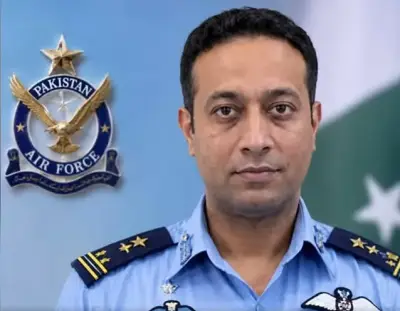
The Senate Functional Committee on Human Rights has summoned the Director General of the National Cyber Crime Investigation Agency (NCCIA) to provide a detailed briefing on delays in cybercrime complaint redressal, enforcement timelines, institutional response protocols, and corrective measures being taken to improve the agency's performance. The committee, chaired by Senator Samina Mumtaz Zehri, met on Wednesday and directed NCCIA Director General Syed Khurram Ali to appear before it on July 17.
Concerns Over Complaint Delays and Technical Issues
Members of the committee expressed serious concerns over delays in processing cybercrime complaints and reported technical issues with the NCCIA online complaint portal. Senator Quratulain Marri stated that a sustained online campaign had been launched against her family, including herself, on social media. She added that despite filing a formal complaint through legal counsel, the NCCIA had taken no effective action.
NCCIA officials informed the committee that technical and operational constraints had affected the online complaint system. They stated that written complaints could also be submitted through legal representatives for immediate processing and that remedial work on the portal was under way. The lawmakers were informed that action regarding blocking or restricting objectionable online content was generally completed within 15 days.

Chairperson Expresses Dissatisfaction
Chairperson Senator Samina Mumtaz Zehri expressed dissatisfaction over the response and observed that no complainant, whether a parliamentarian or an ordinary citizen, should be left helpless due to technical excuses or institutional inaction. “The dignity, privacy and safety of citizens must be protected through a prompt and effective complaint redressal mechanism,” she noted.
The panel also took notice of complaints regarding false and malicious content against elected representatives. Senator Rana Mahmood ul Hassan said fabricated allegations had been spread against him on social media and that no meaningful action had been taken despite approaching the concerned agency.
Committee Decides to Summon NCCIA Chief
In view of these concerns, the committee decided to summon the NCCIA chief on July 17. The director general was directed to brief the members on the status of the online complaint portal, delays in complaint processing, enforcement timelines, institutional response protocols, and corrective measures being taken to improve the agency’s performance.
Review of Ahmed Javed Murder Case
The committee also reviewed progress in the murder case of Ahmed Javed, a resident of Lahore. The victim’s father briefed the members on the hardships faced by the family and stated that justice had not yet been delivered despite the passage of several months. The committee expressed concerns over the delay and emphasized that families of victims must be treated with dignity and kept informed about the progress of investigation into serious criminal cases.
Briefing on Blasphemy-Related Cases
The committee received a briefing from the Home Secretary Punjab on blasphemy-related cases. The lawmakers were told that the Punjab Government had constituted a special committee to examine such cases and that two meetings had already been held. The Home Secretary stated that an inter-agency coordination mechanism had been established to strengthen prosecution, improve coordination, and streamline legal proceedings.
The meeting was informed that online blasphemy-related content was being monitored through a dedicated monitoring centre and actionable reports were forwarded to the Pakistan Telecommunication Authority (PTA) for necessary legal and regulatory action. The secretary said that during the month of Muharram alone, approximately three thousand complaints relating to online blasphemy content were referred to the telecom regulator.
The chairperson sought a briefing on the revised mechanism for registration of FIRs (first information reports) in blasphemy cases. She directed that they should be briefed on every step of the procedure so that due process, fair investigation, protection of innocent persons, and prevention of misuse of law were fully ensured.