Chinese Foreign Minister Issues Grave Warning Over Middle East Nuclear Sites
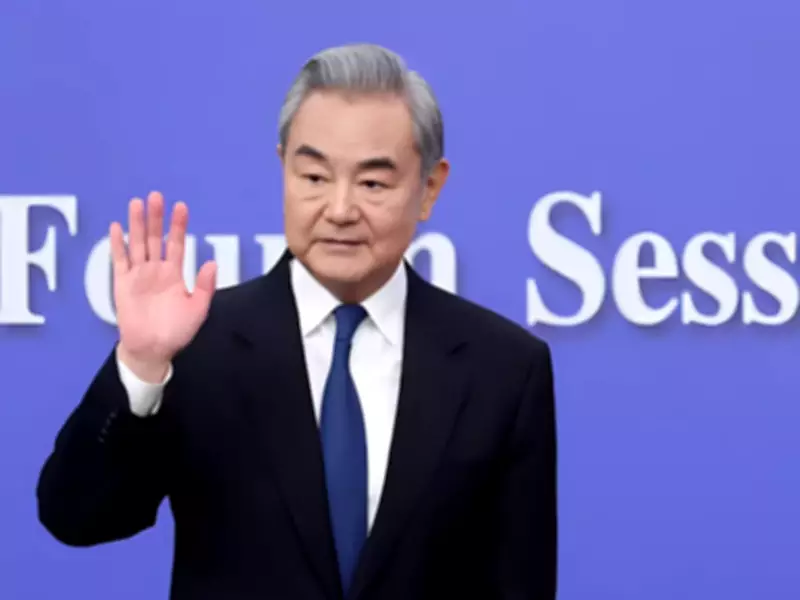
Chinese Foreign Minister Wang Yi has delivered a stark warning regarding the potential targeting of nuclear facilities in the Middle East, stating that such actions would lead to "immeasurably serious consequences." This statement underscores China's growing diplomatic engagement in the region and its commitment to preventing escalation.
Diplomatic Stance and Regional Stability
Wang Yi emphasized that any attacks on nuclear sites in the Middle East could trigger unpredictable and severe fallout, affecting not only the immediate area but also global security. He called for all parties to exercise maximum restraint and prioritize dialogue to resolve conflicts peacefully. This warning comes amid heightened tensions in the region, with various geopolitical factors at play.
China's position reflects its broader foreign policy objectives of promoting stability and non-interference. The Foreign Minister highlighted the importance of upholding international norms and agreements that protect nuclear facilities from military actions. He urged the international community to work together to de-escalate tensions and avoid actions that could lead to catastrophic outcomes.

Implications for Global Security
The warning from China signals a proactive approach to crisis prevention in the Middle East. By addressing the risks associated with targeting nuclear sites, Wang Yi aims to deter potential aggressors and encourage diplomatic solutions. This move aligns with China's efforts to position itself as a responsible global actor, particularly in regions where its economic and strategic interests are expanding.
Experts note that such statements from China carry significant weight, given its permanent seat on the United Nations Security Council and its influence in international affairs. The emphasis on "immeasurably serious consequences" serves as a deterrent, reminding stakeholders of the high stakes involved in any military escalation involving nuclear infrastructure.
Call for International Cooperation
In his remarks, Wang Yi stressed the need for enhanced international cooperation to safeguard nuclear sites and prevent conflicts. He proposed that countries in the Middle East and beyond engage in constructive dialogue to address underlying issues and build mutual trust. This approach is seen as part of China's broader strategy to foster multilateralism and reduce reliance on unilateral actions.
The Chinese Foreign Minister's warning is timely, as it comes during a period of increased volatility in the Middle East. By highlighting the potential dangers, China seeks to rally global support for peaceful resolutions and reinforce the principle that nuclear facilities must remain off-limits in conflicts. This stance is expected to influence ongoing diplomatic efforts and shape discussions in international forums.