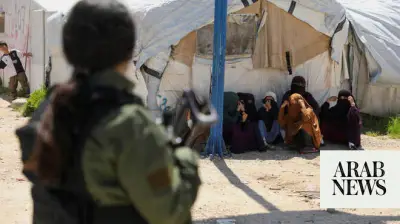
Collateral Damage in Conflict Zones Means Dead Children, Experts Warn
In a stark reminder of the human cost of modern warfare, experts are raising alarms about the devastating consequences of collateral damage in conflict zones, particularly for children. The term "collateral damage," often used in military contexts to describe unintended casualties, has become a euphemism that obscures the brutal reality: dead and injured children who are caught in the crossfire of geopolitical struggles.
The Human Toll of Military Operations
Recent reports from various global hotspots have underscored how children are disproportionately affected by armed conflicts. Collateral damage is not just a statistical anomaly; it represents a tragic loss of innocent lives, with children accounting for a significant percentage of civilian casualties. These young victims often suffer from direct injuries, psychological trauma, and long-term health issues, including malnutrition and disease outbreaks in war-torn regions.
Experts point out that the use of advanced weaponry and tactics in densely populated areas increases the risk of such incidents. "When we talk about collateral damage, we're talking about real people, especially kids who have no part in the conflict," said one humanitarian worker. This highlights the urgent need for more precise military strategies and adherence to international humanitarian laws to minimize harm to non-combatants.

International Response and Legal Frameworks
The international community has long grappled with how to address collateral damage, with various treaties and conventions aimed at protecting civilians during wars. However, enforcement remains a challenge, as evidenced by ongoing conflicts where children continue to die as unintended targets. Key issues include:
- Lack of accountability for violations of human rights in conflict zones.
- Insufficient funding for humanitarian aid to support affected children and families.
- Political barriers that hinder diplomatic efforts to resolve conflicts peacefully.
Organizations like the United Nations and non-governmental groups are advocating for stronger measures, such as:
- Enhanced monitoring and reporting of civilian casualties to hold perpetrators accountable.
- Increased investment in conflict prevention and peacebuilding initiatives.
- Better coordination between military and humanitarian actors to ensure child protection.
Despite these efforts, the persistence of collateral damage underscores the complexities of modern warfare and the need for a renewed global commitment to safeguarding the most vulnerable.
Moving Forward: A Call to Action
As conflicts rage on in various parts of the world, the phrase "collateral damage" must be re-evaluated to reflect its true human impact. Dead children are not mere statistics; they represent a failure of international systems to protect the innocent. By raising awareness and pushing for policy changes, there is hope that future generations might be spared from such tragedies.
In conclusion, while collateral damage is an inherent risk in armed conflicts, its consequences for children demand immediate attention. Through collaborative efforts and a focus on human dignity, it is possible to reduce these casualties and build a more just and peaceful world.