Cuba Confirms High-Level Talks with the United States Amid Economic Strain
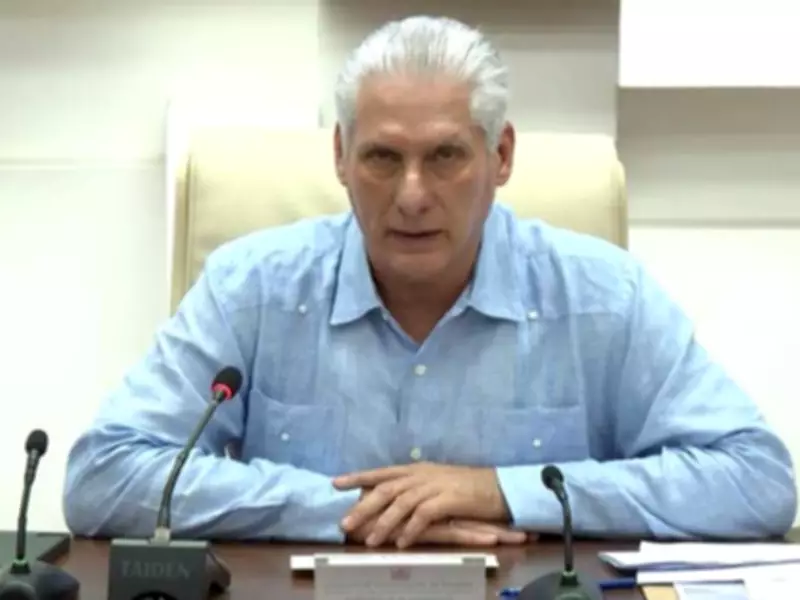
Cuban President Miguel Díaz-Canel publicly confirmed for the first time on Friday that Cuban officials have engaged in talks with the United States. This announcement comes as the island nation grapples with a severe economic crisis and intense pressure from former US President Donald Trump. In a video broadcast on national television, Díaz-Canel stated, "There are international factors that have facilitated these talks," emphasizing their purpose to "identify the bilateral problems that need a solution."
Trump's Response and White House Commentary
Following Díaz-Canel's announcement, Donald Trump reposted an article about the talks on his Truth Social platform, confirming the development. A White House official provided further insight to CNN, noting, "As the President (Trump) stated, we are talking to Cuba, whose leaders should make a deal, which he believes 'would be very easily made.'" While Trump had previously mentioned discussions with Cuban representatives, this marks the first official confirmation from Havana, highlighting a significant diplomatic shift.
Details of the Talks and Cuban Leadership Involvement
Díaz-Canel revealed that the talks were led by him, alongside former President Raúl Castro and select members of the Communist Party. However, he did not specify the US participants. The Cuban deputy foreign minister had earlier indicated to CNN last month that both sides had exchanged messages but had not established a formal bilateral dialogue at that time. Díaz-Canel described the process as "very sensitive" and being handled with "responsibility and great sensitivity."

Economic Context and US Pressure on Cuba
The talks occur against a backdrop of economic hardship exacerbated by US actions. After the capture of Venezuelan President Nicolás Maduro in a US operation earlier this year, Trump halted Venezuelan oil shipments to Cuba and threatened tariffs on other countries supplying crude oil to the island. This has worsened frequent blackouts and fuel shortages. A White House official commented, "Cuba is a failing nation whose rulers have had a major setback with the loss of support from Venezuela and with Mexico ceasing to send them oil." Last week, Trump predicted to CNN that Cuba "is gonna fall pretty soon" and claimed the government "wants to make a deal so badly."
Impact of US Blockade on Cuban Society
In a press briefing following the video, Díaz-Canel elaborated on the critical situation, attributing it to the "energy blockade" imposed by the United States. He acknowledged, "It is a situation for which we have been preparing in advance," but stressed that "no fuel has entered the country for three months." The president highlighted the severe consequences, stating, "The impact (of the blockade) is tremendous. It is most brutally manifested in these energy issues," which causes "anguish among the population." Notably, healthcare has been particularly affected, with tens of thousands of people awaiting surgeries that cannot be performed due to electricity shortages.
Symbolic Presence and Broader Implications
During Díaz-Canel's remarks, Raúl Guillermo Rodríguez Castro, the grandson of Raúl Castro nicknamed "El Cangrejo" (The Crab), was seated in the audience, symbolizing the continuity of leadership. This development underscores Cuba's efforts to navigate diplomatic challenges while addressing domestic crises, with potential implications for regional stability and US-Cuba relations moving forward.