Iran Officially Denies Special Transit Permissions for Indian Oil Tankers
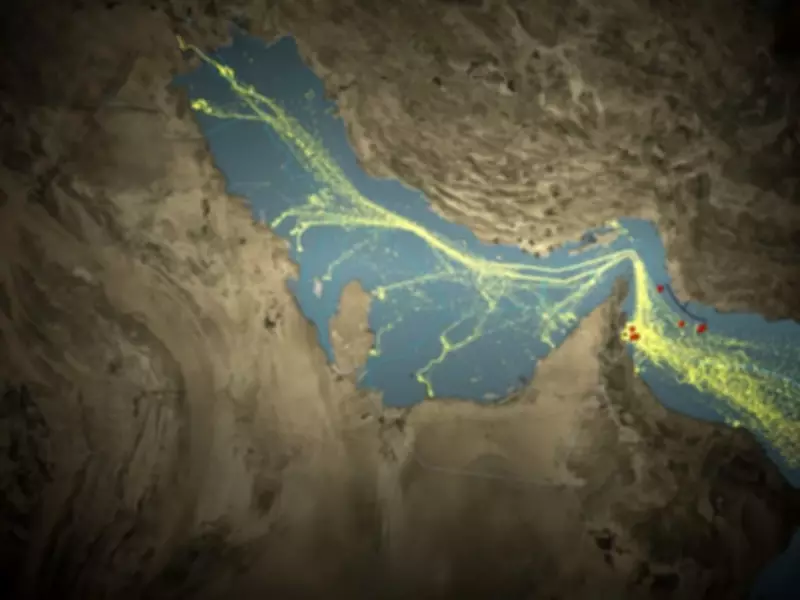
Iranian authorities have categorically denied reports circulating in Indian media that they granted special permission for Indian-flagged oil tankers to transit the strategically vital Strait of Hormuz. This clarification comes as maritime traffic through one of the world's most critical energy chokepoints remains severely disrupted by the ongoing US-led military campaign against Iran.
No Formal Agreement Reached Between Nations
According to Iranian sources speaking to Reuters, no formal agreement has been established that would allow Indian vessels special passage through the crucial waterway. This directly contradicts earlier reports suggesting that at least two Indian tankers had safely crossed the strait following diplomatic discussions between India's Foreign Minister S Jaishankar and his Iranian counterpart Abbas Araghchi.
An Iranian source specifically disputed these claims, emphasizing the continuing uncertainty surrounding navigation in the region. While an Indian source maintained that New Delhi had secured permission for its tankers, neither India's foreign ministry nor the Iranian embassy in New Delhi has provided official confirmation of any such arrangement.

Strategic Waterway Faces Severe Disruption
Shipping through the Strait of Hormuz has experienced significant disruption since February 28, when the United States and Israel launched coordinated attacks on Iran, sparking a wider regional conflict. Reuters previously reported that Iran had deployed naval mines in the strait, effectively halting much of the oil and liquefied natural gas traffic through this critical corridor.
The strategic importance of this waterway cannot be overstated:
- Approximately 20 million barrels of oil pass through daily (about 20% of global petroleum liquids consumption)
- Nearly the same proportion of global liquefied natural gas trade
- For India specifically, around 40% of the country's crude oil imports transit the strait
Any prolonged disruption poses a serious threat to India's energy security and global energy markets more broadly.
Iranian Officials Issue Stern Warnings
A senior Iranian security official told Lebanon-based broadcaster Al Mayadeen that no vessel had crossed the strait under US military protection, accusing Washington of conducting psychological warfare to manipulate global energy markets. The source issued a stark warning that the strait would either remain fully secure for all parties or face prolonged instability, adding that Iran was prepared both to ensure security and to escalate the conflict if necessary.
Iranian military officials have further clarified that oil exports to "hostile parties and their partners" would not be permitted under wartime security regulations until further notice. This position underscores the volatile nature of the current situation and the potential for further escalation in this critical maritime corridor.