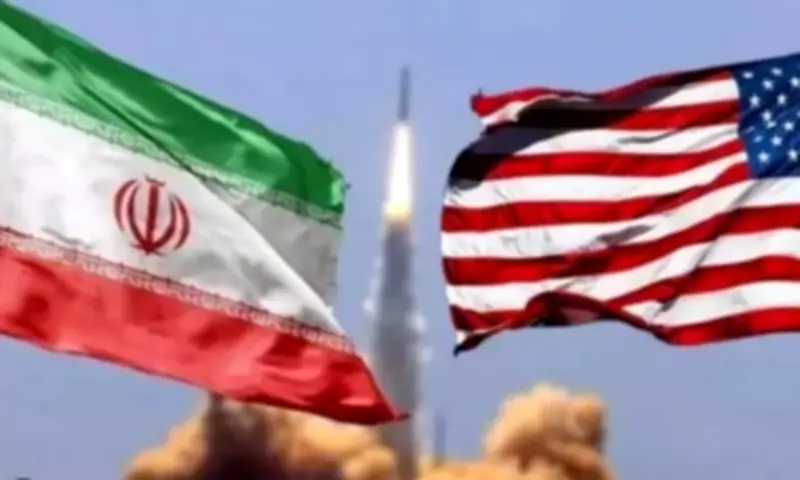
Iran Formally Rejects US Ceasefire Proposal, Emphasizes Permanent Conflict Resolution
In a significant diplomatic development, Iran has officially conveyed its rejection of a United States proposal for a temporary ceasefire in their ongoing five-week conflict. The response was transmitted through Pakistan, with Tehran emphasizing the necessity of a permanent and comprehensive end to hostilities rather than a short-term pause.
Tehran's Detailed 10-Point Response Framework
According to Iran's official IRNA news agency, the Iranian response consists of ten specific clauses outlining conditions for lasting peace. Key demands include:
- An immediate and permanent cessation of all regional conflicts
- Establishment of a formal protocol ensuring safe passage through the strategically vital Strait of Hormuz
- Complete lifting of international sanctions against Iran
- Comprehensive reconstruction plans for affected areas
The detailed framework represents Tehran's position that temporary measures are insufficient to address the root causes of the current crisis.

Trump's "Hell" Ultimatum and Deadline Pressure
The Iranian rejection comes as former President Donald Trump has issued a stark ultimatum threatening to unleash "hell" on Tehran if no agreement is reached by 8 p.m. EDT (0000 GMT) on Tuesday. The specific demand centers on reopening the Strait of Hormuz, a critical global energy supply route that has seen restricted traffic during the conflict.
Trump's warning adds considerable pressure to diplomatic efforts, with the deadline now less than 24 hours away at the time of Iran's response. The former president's language reflects the high stakes involved in securing passage through the waterway that handles approximately one-fifth of global oil shipments.
Regional Mediation and International Implications
Pakistan's role as intermediary in conveying Iran's response highlights the complex regional dynamics at play. The Pakistani-brokered peace plan being weighed by both Washington and Tehran represents a significant diplomatic initiative in a conflict that has broader implications for Middle Eastern stability and global energy markets.
The rejection of a temporary ceasefire suggests Tehran is positioning for more substantial concessions, particularly regarding sanctions relief and regional security arrangements. This stance complicates efforts to quickly reopen the Strait of Hormuz, which remains a primary concern for international energy markets and shipping interests.
Broader Context and Escalation Risks
The five-week conflict has already seen significant military engagements and economic disruptions. Iran's insistence on a permanent resolution rather than temporary measures indicates concerns about repeated cycles of escalation and de-escalation that have characterized US-Iran relations in recent years.
With the deadline approaching, international observers are closely monitoring whether diplomatic channels can produce a breakthrough that satisfies both Tehran's demand for comprehensive peace and Washington's immediate need for Strait of Hormuz access. The coming hours will determine whether negotiations yield progress or whether Trump's "hell" warning becomes operational reality.