Iran's Strategic Victory in the Gulf Reshapes Regional Dynamics
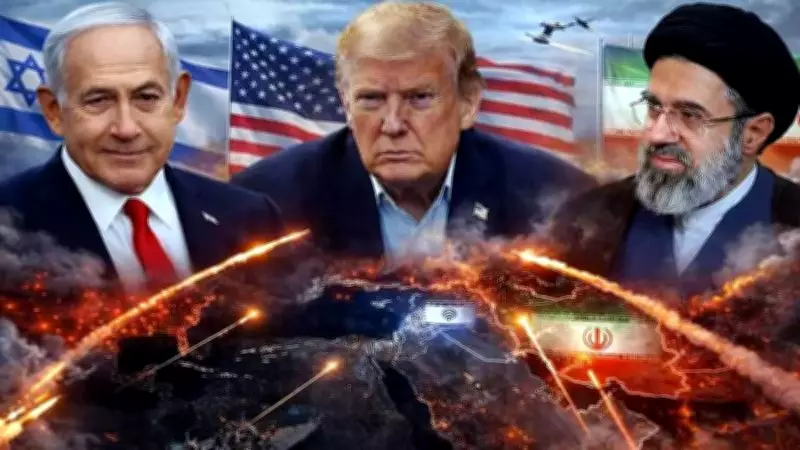
In a significant geopolitical development, Iran has achieved a strategic victory in the Gulf region, fundamentally altering the balance of power across the Middle East. This shift carries profound implications for Pakistan, a key regional player with deep economic and diplomatic ties to both Iran and Gulf Arab states. The changing landscape necessitates a careful reassessment of Pakistan's foreign policy approach to navigate the evolving alliances and rivalries.
Background of the Gulf Power Struggle
The Gulf region has long been a theater of intense competition between Iran and its Arab neighbors, particularly Saudi Arabia and the United Arab Emirates. Historical tensions, fueled by sectarian divides, economic rivalries, and strategic ambitions, have shaped the political and security environment. Recent events, including diplomatic maneuvers and military posturing, have culminated in Iran gaining a decisive upper hand, marking a pivotal moment in regional affairs.
This victory is not merely symbolic; it translates into increased Iranian influence over key shipping lanes, energy resources, and political outcomes in neighboring countries. For Pakistan, which relies heavily on Gulf nations for remittances, oil imports, and employment opportunities for its citizens, the shift demands immediate attention to safeguard its national interests.

Implications for Pakistan's Foreign Policy
Pakistan finds itself at a crossroads, balancing its relationships with Iran and Gulf Arab states. On one hand, Pakistan shares a border with Iran and has collaborated on projects like the Iran-Pakistan gas pipeline, albeit with challenges due to international sanctions. On the other hand, Gulf countries, especially Saudi Arabia and the UAE, are major economic partners, providing crucial financial support and hosting millions of Pakistani workers.
The altered power balance forces Pakistan to adopt a more nuanced diplomatic strategy. Key considerations include:
- Economic Security: Ensuring the stability of remittance flows and energy supplies from the Gulf, which are vital for Pakistan's economy.
- Diplomatic Neutrality: Avoiding alignment that could alienate either side, while actively engaging in mediation efforts to promote regional stability.
- Strategic Partnerships: Strengthening ties with other global powers, such as China and Turkey, to diversify alliances and reduce dependency on any single region.
Failure to adapt could risk Pakistan's economic stability and geopolitical standing, making proactive policy adjustments essential.
Regional and Global Reactions
The international community has responded with mixed reactions to Iran's enhanced position. Gulf Arab states have expressed concern, potentially leading to increased military expenditures and diplomatic outreach to counter Iranian influence. Global powers, including the United States and European Union, are closely monitoring the situation, with implications for nuclear negotiations and sanctions policies.
For Pakistan, this means navigating a complex web of international pressures. The country must leverage its role in organizations like the Organization of Islamic Cooperation and its historical ties to both sides to advocate for peaceful resolutions. Additionally, Pakistan's participation in China's Belt and Road Initiative could offer alternative economic pathways, mitigating risks associated with Gulf volatility.
Future Outlook and Recommendations
Looking ahead, the Gulf's changing power dynamics are likely to persist, with Iran consolidating its gains and Gulf states seeking to recalibrate their strategies. Pakistan should consider the following steps to protect its interests:

- Enhanced Diplomacy: Increase high-level engagements with both Iran and Gulf nations to foster dialogue and reduce tensions.
- Economic Diversification: Reduce reliance on Gulf remittances by promoting domestic job creation and exploring new export markets.
- Security Cooperation: Collaborate with regional partners on counter-terrorism and maritime security to address shared threats.
By taking a balanced and forward-looking approach, Pakistan can turn challenges into opportunities, strengthening its position in a rapidly evolving regional landscape. The victory consequence in the Gulf serves as a reminder of the interconnectedness of global politics and the need for agile foreign policy responses.