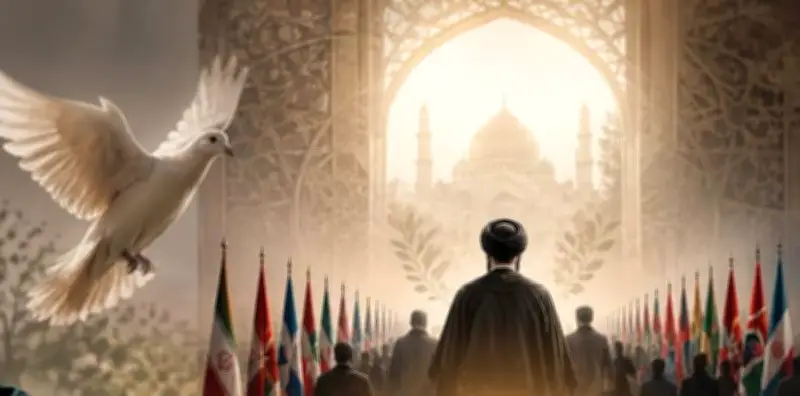
In international relations, hard power matters, and a state's global influence is often measured by its military and economic strength. This understanding of power has become so deeply embedded that we sometimes overlook other enduring forms of influence. Yet hard and soft power do not necessarily clash; rather, they can complement one another. It is here that the realm of soft power begins. Joseph Nye defined soft power as the ability to influence the preferences of others through attraction rather than coercion. Among the many instruments of soft power, religion occupies a unique place.
Religion as a Tool of Soft Power
Throughout much of human history, religion has often been regarded as something personal. Yet recent developments in Iran have offered a noteworthy example of religious soft power that has attracted global attention. Through sacred symbolism, Iran transformed a moment of national mourning into an opportunity for diplomatic outreach and global engagement. Although critics may argue that this initiative was intended to divert attention from domestic unrest, it primarily communicated a universal language of symbolic respect.
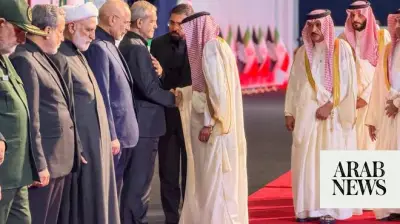
The initiative was designed for the funeral procession of Iran's Supreme Leader, Ali Khamenei. Quranic verses were thoughtfully selected and dedicated to delegates from around the world, conveying messages that were both personal and universal. At first glance, the gesture appeared to be an act of hospitality. In reality, however, it carried profound symbolic significance.

Quranic Verses as Diplomatic Messages
The Holy Quran is a source of guidance, peace, tolerance, brotherhood, and justice. Through carefully chosen verses, Iran conveyed messages that transcended conventional diplomatic protocol. The underlying message was simple yet profound: the timeless wisdom of the Quran speaks not only to one nation but to humanity as a whole. In doing so, the initiative moved beyond traditional diplomacy and created a space for contemplation, mutual respect, and shared values. This represented a masterclass in religious diplomacy, carrying a powerful message of peace and solidarity.
According to the Iranian news agency Tabnak, it was described as "an innovation in public diplomacy." The initiative conveyed to both the international community and the Iranian public that the state could still project unity and continuity during moments of national grief.
Peaceful Coexistence and Ethical Reflection
More broadly, it underscored the importance of peaceful coexistence, ethical reflection, and harmony despite differences in culture, politics, geography, and historical experience. Among the Quranic verses shared were: "Grant me an honorable entrance and an honorable exit" (Surah Al-Isra, Ayah 80), and "Allah supports whom He wills with His help. Surely in this is a lesson for those with insight" (Surah Aal-e-Imran, Ayah 13).
The initiative demonstrated that while it is easy to build walls through misunderstanding and miscommunication in a fractured world, it takes conscious effort to create meaningful connections. By selecting verses that acknowledged the individuality of each delegation while inviting them into a shared spiritual space, Iran projected an image of resilience rather than isolation. At the same time, it highlighted the country's rich religious and cultural heritage and opened a space for intellectual and spiritual engagement with the wider world.
Lessons for Future Diplomacy
Ultimately, it reminds us that effective diplomacy flourishes when it recognizes and respects the dignity of others. In the end, this initiative offers an important lesson for the future. It reminds us that peace does not require the erasure of our differences; rather, it requires discovering the shared values and sacred threads that bind humanity together. When a country employs its deepest spiritual heritage to promote global solidarity rather than division, it sends a subtle yet powerful message: peace is not merely a political objective but a fundamental human need.