Nigeria and Turkiye Sign Defense Cooperation Agreement Amid Security Crisis
In a significant move to bolster its security capabilities, Nigeria has entered into a defense cooperation agreement with Turkiye. This strategic partnership aims to assist Africa's most populous nation in combating a persistent 17-year-long jihadist insurgency and other escalating security threats.
Details of the Defense Pact
Nigerian Defense Minister Christopher Musa announced the agreement during his visit to Antalya, Turkiye, as reported by the Anadolu agency. The pact encompasses multiple areas of military collaboration, including training programs and joint production initiatives to enhance Nigeria's defense industry.
Key components of the agreement include:

- Training for 200 members of the Nigerian army's special forces in Turkiye
- Cooperation in defense industry development and production
- Technology transfer and knowledge sharing between the two nations
Nigeria's Complex Security Landscape
Nigeria faces a multifaceted security crisis that extends beyond its borders. The country has been grappling with:
- Jihadist insurgency led by Boko Haram and its rival splinter group, the Islamic State West Africa Province
- Armed criminal gangs known as bandits who engage in pillaging, killing, and kidnapping in the northwest region
- The expanding security crisis across the Sahel region, which has allowed jihadist groups to spread throughout West Africa
The security situation has drawn international attention, with recent comments from U.S. President Donald Trump claiming persecution of Christians in Nigeria. However, both the Nigerian government and security experts have rejected this characterization, noting that the country's overlapping conflicts affect both Christian and Muslim communities equally.
Strategic Diversification of Security Partnerships
This agreement with Turkiye represents Nigeria's ongoing effort to diversify its security partnerships and reduce reliance on traditional allies. The defense minister's visit follows President Bola Tinubu's trip to Turkiye in late January, marking the first visit by a Nigerian head of state in nine years.
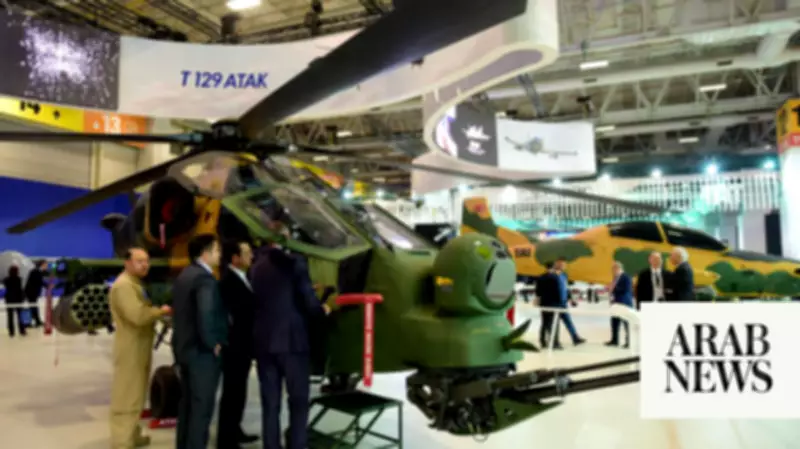
Turkiye brings particular expertise to this partnership as the world's leading exporter of inexpensive armed drones and a country that has made significant advancements in military hardware production. Minister Musa acknowledged this advantage, stating that while Turkiye has dramatically improved its military production capabilities, Nigeria is still in the development phase.
The two countries have agreed to produce certain military items together, potentially giving Nigeria access to advanced technology while supporting its domestic defense industry development.
Broader International Context
Despite tensions with the United States over characterization of Nigeria's religious dynamics, the West African nation has maintained defense cooperation with Washington. The U.S. has deployed approximately 200 soldiers to Nigeria and conducted airstrikes in the northern state of Sokoto last Christmas Day.
The Nigeria-Turkiye defense agreement comes at a critical time as the country seeks to address both internal security challenges and the regional threat posed by jihadist expansion across West Africa. The partnership represents a strategic alignment between two nations with complementary defense needs and capabilities, potentially setting a new template for South-South security cooperation in an increasingly complex global security environment.