Pakistan-Afghanistan Border Clashes Escalate Amid TTP Safe Haven Dispute
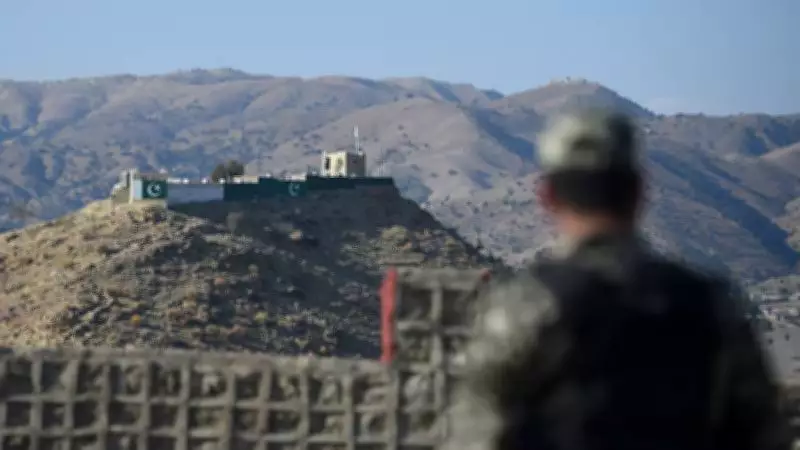
The volatile frontier separating Pakistan and Afghanistan has once again erupted into intense skirmishes, threatening to spiral into a prolonged and devastating conflict. Cross-border firing rapidly escalated into a serious military confrontation, with both sides reportedly deploying artillery, while Pakistan also carried out targeted airstrikes. However, each nation has vehemently accused the other of initiating the aggression, deepening the diplomatic rift and complicating resolution efforts.
Pakistan's Security Imperative and Military Response
For Pakistan, the core issue remains inextricably linked to the persistent threat posed by the Tehreek-i-Taliban Pakistan (TTP). Islamabad has long maintained that the militant group operates freely from Afghan soil, using it as a strategic base to launch attacks inside Pakistan. This has generated profound concerns within Pakistan's security establishment, which argues that decisive action is imperative to curb this existential threat. Consequently, strikes were reportedly launched at locations in the Afghan provinces of Paktika, Khost, and Nangarhar, targeting alleged TTP infrastructure and sanctuaries.
From Pakistan's perspective, the situation has reached a critical breaking point following recent devastating attacks in Bannu, Bajaur, and Islamabad. These incidents resulted in the tragic deaths of 14 security personnel and 32 civilians, while leaving hundreds injured. The state asserts it can no longer tolerate assaults on its military and police checkpoints, as well as on innocent civilians, while militants allegedly find refuge across the border. A military response was therefore increasingly likely, particularly as diplomatic efforts had failed to produce verifiable or tangible results.

Against this backdrop, Pakistan's recent operations are viewed by Islamabad as acts of self-defence rather than unprovoked aggression. While the security imperative and military rationale behind such actions are understandable, the strategic ramifications of a full-scale conflict with Afghanistan must be carefully and soberly considered. History has repeatedly demonstrated that Afghanistan is not a theatre where conventional warfare yields lasting stability or peace.
Afghanistan's Denial and Sovereignty Concerns
On the other hand, Kabul has categorically denied providing safe havens to the TTP and has condemned Pakistan's strikes as blatant violations of its national sovereignty. The extent of losses on the Afghan side remains difficult to verify independently due to restricted access to the affected and remote border areas. Afghanistan's leadership has emphasized that such actions undermine bilateral trust and regional stability, calling for dialogue over military escalation.
Humanitarian Crisis and Displacement
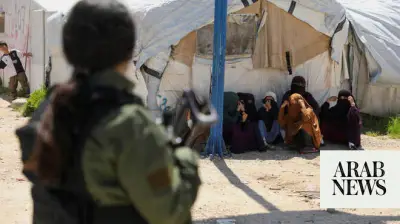
Beyond the immediate military dimensions of these conflicts lies a significant and growing humanitarian concern. It is the ordinary villagers living along the rugged frontier who bear the brunt of these violent confrontations, rather than the government in Kabul or the militant groups themselves. According to the United Nations, approximately 118,000 people have been displaced on both sides of the border during the month of Ramadan alone, highlighting the severe human cost of the escalation.
Strategic and Economic Considerations
This is where Pakistan must approach the situation with strategic patience and foresight. The Durand Line has always been a complex and sensitive border region, fraught with historical and political tensions. Localised escalations here carry the grave risk of triggering a broader and more prolonged conflict—an outcome that neither side can realistically afford. Moreover, Pakistan is currently navigating a fragile economic recovery, with inflation and debt pressures looming large. A sustained military confrontation under such precarious circumstances is unlikely to yield favourable or sustainable outcomes.

Simultaneously, Afghanistan is already grappling with a severe humanitarian crisis, exacerbated by international isolation and internal governance challenges. The nation is ill-equipped to sustain a prolonged conflict with Pakistan, which could further destabilize its fragile economy and social fabric. In essence, both countries stand to lose far more than they could potentially gain from continued military escalation, making diplomacy an urgent necessity.
The Path Forward: Diplomacy and Regional Engagement
Diplomacy, therefore, remains the most viable and prudent option for Pakistan's long-term strategic interests. Islamabad's legitimate security concerns regarding the TTP must be addressed through structured and transparent mechanisms such as enhanced intelligence sharing, improved border management protocols, and robust regional diplomatic engagement. Regional actors with influence in Kabul, including neighbouring countries and international stakeholders, could also play a constructive role in facilitating meaningful dialogue and confidence-building measures.
Most importantly, the Afghan leadership must recognise that ignoring militant groups targeting neighbouring Pakistan is not a viable or sustainable option. If Afghan territory becomes a launching pad for cross-border militant activities, it poses a serious and direct threat to regional stability, potentially drawing in other actors and exacerbating tensions. Pakistan and Afghanistan are bound together by geography, shared history, and religion. Neither can replace the other, and perpetual hostility only serves the interests of militant groups that thrive in chaos rather than stability.
Conclusion: A Call for Strategic Clarity
These recent clashes should serve as a stark wake-up call for both countries. Military force may sometimes be necessary to defend the state and its citizens, but it cannot serve as a long-term substitute for a comprehensive and coherent strategy. Failure by both sides to move towards a cooperative framework risks further retaliatory strikes, the expansion of proxy violence in the region, and deeper humanitarian suffering. Ultimately, both Pakistan and Afghanistan require strategic clarity rather than mere tactical reactions, along with the courage and wisdom to pursue peace even amid persistent conflict and mistrust.