Pakistan Intensifies Diplomatic Push as US-Iran Talks Hang in Balance
Pakistan has accelerated diplomatic preparations for a crucial round of negotiations between the United States and Iran, even as renewed military conflict around the strategic Strait of Hormuz casts serious doubt on whether the talks will proceed as scheduled. The diplomatic push comes just days before a fragile ceasefire is set to expire, creating a tense international backdrop.
Military Escalation Threatens Diplomatic Progress
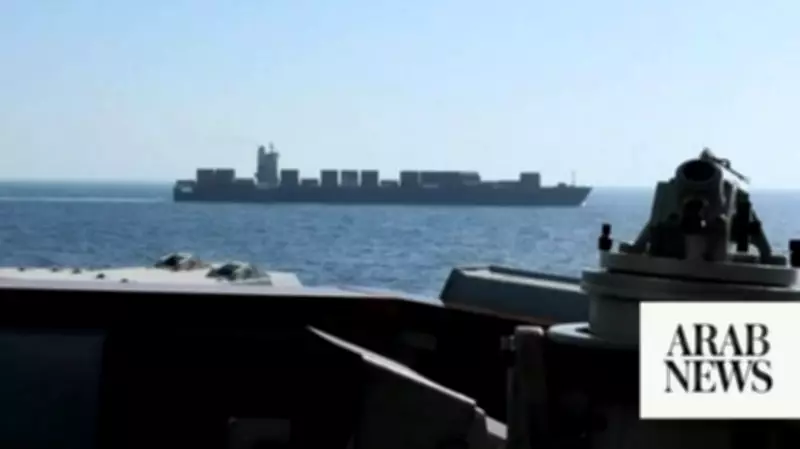
Over the weekend, the United States military attacked and seized an Iranian-flagged cargo vessel near the Strait of Hormuz, claiming the ship attempted to evade the American blockade of Iranian ports. This aggressive action represents the first such interception since the blockade was implemented last week and has significantly heightened regional tensions.
Iran's joint military command immediately vowed to respond to what it called "an act of piracy and a ceasefire violation." Iranian Foreign Minister Abbas Aragchi conveyed strong objections to his Pakistani counterpart, stating through Iranian state media that American threats to Iranian ships and ports were "clear signs" of Washington's disingenuousness ahead of the planned negotiations.

High-Level Communications and Ceasefire Concerns
According to a Pakistani security source, US President Donald Trump told Pakistan's Army Chief General Asim Munir during a phone conversation that he would consider Munir's advice regarding the Strait of Hormuz blockade being a significant obstacle to peace talks with Iran. This communication underscores Pakistan's active mediation role between the two adversarial nations.
With the ceasefire due to expire midweek, Pakistan has dramatically intensified diplomatic contacts with both Washington and Tehran over the past twenty-four hours. Two Pakistani officials involved in the preparations, speaking on condition of anonymity, confirmed that the goal remains to resume talks on Tuesday as originally planned, despite the escalating military situation.
Uncertain Participation and Stalled Negotiations
Iran's Foreign Ministry spokesperson Esmail Baghaei told reporters in Tehran on Monday that no decision had been made regarding participation in the next round of negotiations with the United States. While not completely ruling out attendance, Baghaei stated clearly, "We have no plans for the next round of negotiations and no decision has been made in this regard."
This uncertainty follows Iran's announcement on Saturday that it had received new proposals from the United States but suggested substantial gaps remained between the two sides on critical issues. These unresolved matters include Iran's nuclear enrichment program, its regional proxy networks, and control over the strategically vital Strait of Hormuz.
Strategic Waterway and Global Economic Impact
The Strait of Hormuz, which connects the Arabian Gulf to open seas, has become a focal point of conflict since the war began on February 28 following attacks by the US and Israel on Iran. Iran subsequently restricted traffic through this crucial maritime passage, while the United States implemented its blockade of Iranian ports.
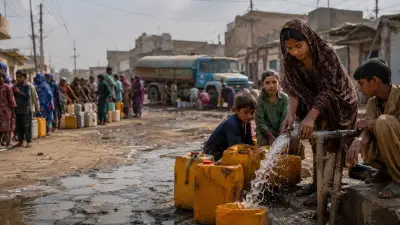
This strategic chokepoint normally handles approximately one-fifth of global oil trade, along with critical supplies of fertilizer for international agriculture, natural gas shipments, and humanitarian supplies destined for crisis regions like Afghanistan and Sudan. The current disruptions have created severe global economic consequences.
Human Toll and Regional Casualties
According to new figures released Monday by Abbas Masjedi, head of Iran's Legal Medicine Organization, at least 3,375 people have been killed in Iran since the conflict began. The breakdown includes 2,875 males and 496 females, with 383 of the deceased being children aged eighteen and under. Masjedi did not distinguish between civilian and security force casualties.
The regional death toll extends beyond Iran, with more than 2,290 killed in Lebanon, twenty-three in Israel, and over a dozen in Gulf Arab states. Additionally, fifteen Israeli soldiers in Lebanon and thirteen US service members throughout the region have lost their lives in the conflict.

Oil Market Volatility and Economic Pressure
Iran's control over the Strait of Hormuz has triggered dramatic oil price increases, contributing to one of the most severe global energy crises in decades. While prices showed slight improvement following Iran's announcement about reopening the strait and the implementation of a ten-day truce between Israel and Iranian-backed Hezbollah militants in Lebanon, the recent US actions have reversed this trend.
President Trump's declaration that the US blockade "will remain in full force" until Tehran reaches a deal with Washington, followed by Sunday's seizure of the Iranian cargo ship, has renewed market anxieties. Oil prices climbed again in early Monday trading, with Brent crude reaching approximately $95 per barrel—representing an increase of more than thirty percent since the war's commencement.
Iran's Economic Warning and Stalemate
Iran issued an early Monday warning that it could continue inflicting global economic pain as hundreds of vessels remained unable to transit the Strait of Hormuz, waiting at each end for clearance. Mohammad Reza Aref, Iran's First Vice President, emphasized in a social media post that security of the strait "is not free" and presented a stark choice: "either a free oil market for all, or the risk of significant costs for everyone."
His statement called for a lasting end to military and economic pressure on Tehran, highlighting how the Strait of Hormuz has become both a military flashpoint and economic bargaining chip in the broader US-Iran confrontation. As Pakistan continues its diplomatic efforts, the world watches whether negotiations can proceed amid this dangerous escalation.