Pakistan Proposes to Mediate US-Iran Dialogue for Middle East Peace
In a significant diplomatic move, Prime Minister Shehbaz Sharif has declared Pakistan's readiness to host talks between the United States and Iran, with the primary objective of ending the ongoing conflict in the Middle East. This announcement underscores Pakistan's commitment to fostering regional stability and leveraging its strategic relationships to facilitate constructive dialogue between the two nations.
Prime Minister's Statement on Diplomatic Initiative
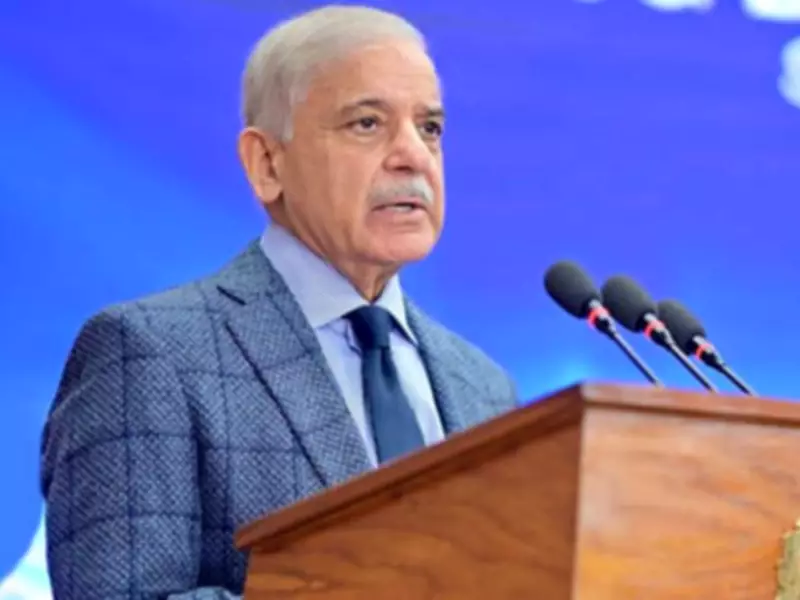
During a recent address, Prime Minister Shehbaz Sharif emphasized Pakistan's unique position as a neutral and trusted intermediary, capable of bridging the gap between Washington and Tehran. He highlighted the urgency of de-escalating tensions in the Middle East, which have escalated into a protracted war, causing widespread humanitarian crises and economic disruptions. The Prime Minister reiterated that Pakistan stands ready to provide a secure and conducive environment for negotiations, aiming to pave the way for a peaceful resolution to the conflict.
Background and Regional Implications
The Middle East has been embroiled in a complex and devastating war, involving multiple factions and international actors, with the US and Iran often at odds over geopolitical interests. Pakistan's offer to host talks comes at a critical juncture, as global efforts to broker peace have faced numerous setbacks. Analysts suggest that Pakistan's diplomatic overture could inject new momentum into peace initiatives, given its historical ties with both countries and its role in previous mediation efforts. This move is seen as part of Pakistan's broader foreign policy strategy to enhance its influence in regional affairs and contribute to global peacekeeping efforts.

Potential Outcomes and Challenges
If accepted by the US and Iran, the talks hosted by Pakistan could lead to:
- De-escalation of military confrontations in the Middle East, reducing casualties and displacement.
- Enhanced diplomatic channels between the two nations, fostering long-term cooperation on security and economic issues.
- Strengthened regional alliances, with Pakistan playing a pivotal role in conflict resolution.
However, challenges remain, including deep-seated mistrust between the US and Iran, divergent strategic objectives, and the involvement of other regional powers. The success of such talks will depend on the willingness of both parties to engage in good-faith negotiations and compromise on key issues.
Pakistan's Role in Global Diplomacy
This initiative reflects Pakistan's proactive approach to international diplomacy, building on its experience in mediating conflicts in the past. By offering to host US-Iran talks, Pakistan aims to position itself as a key player in global peace efforts, potentially boosting its international standing and economic prospects through increased diplomatic engagement. The Prime Minister's announcement has been welcomed by various international observers, who view it as a positive step toward reducing tensions in one of the world's most volatile regions.