Migrant Boat Sinks Off Libya's Tobruk, At Least Six Dead, Four Rescued
In a tragic maritime incident, at least six people have died after a migrant boat sank off the coast of Tobruk, Libya, on Saturday, as confirmed by multiple sources. The disaster highlights the ongoing perils faced by migrants attempting dangerous sea crossings in the region.
Details of the Incident
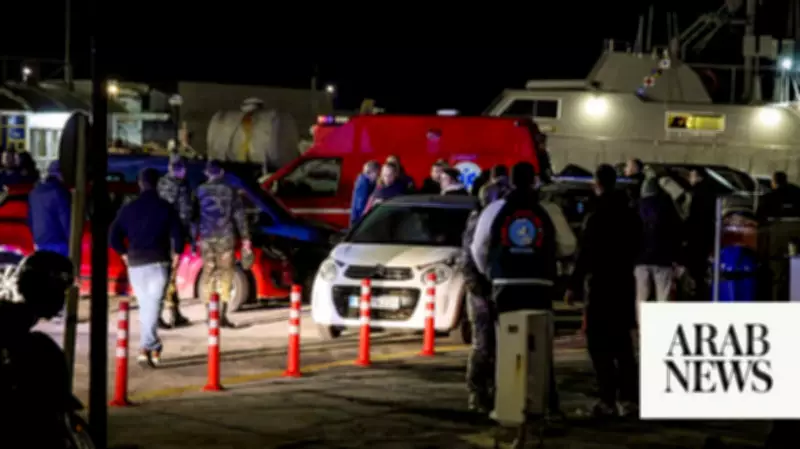
According to reports from two military sources and a medical source who spoke to Reuters, the boat carrying migrants capsized near Tobruk, a port city in eastern Libya. The medical source stated that four individuals were rescued from the waters, but the death toll stands at six, with fears that the number could rise as search operations continue.
The incident underscores the volatile conditions in the Mediterranean Sea, where migrants often embark on risky journeys in overcrowded and unseaworthy vessels. Libya has become a key departure point for migrants fleeing conflict, poverty, and persecution in Africa and the Middle East, seeking refuge in Europe.

Response and Context
Emergency services, including paramedics and soldiers, were deployed to the area to assist with rescue efforts and provide medical aid to survivors. This event follows a pattern of similar tragedies in the region, such as a previous incident on February 4, 2026, when a migrant boat collided with Greek coastguards near the Aegean island of Chios, leading to casualties and heightened tensions.
The sinking off Tobruk adds to the growing humanitarian crisis, with international organizations calling for improved safety measures and support for migrants. The Mediterranean remains one of the deadliest migration routes globally, with thousands losing their lives annually due to shipwrecks and harsh conditions.
Implications and Future Concerns
Authorities are investigating the cause of the sinking, which could be linked to factors like poor weather, vessel overload, or mechanical failure. The rescue of four survivors offers a glimmer of hope, but the high fatality rate raises urgent questions about the adequacy of current migration policies and coastguard operations in Libya and neighboring countries.
As the situation develops, stakeholders are urged to enhance coordination and resources to prevent further loss of life. This incident serves as a stark reminder of the human cost of migration and the need for comprehensive solutions to address the root causes and risks involved.