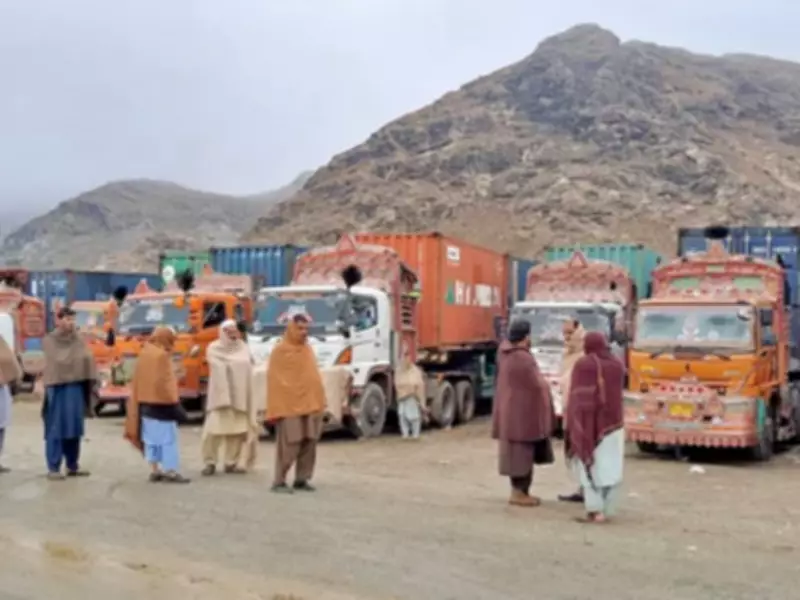
Torkham Border Crossing Closed Again Amidst Rising Tensions
The Torkham border crossing, a vital trade and travel link between Pakistan and Afghanistan, has been shut down once more, marking another chapter in the ongoing diplomatic and security tensions between the two neighboring countries. This closure, which took effect recently, follows a series of disputes primarily centered around visa and passport regulations, as well as security concerns that have periodically disrupted cross-border activities.
Background and Causes of the Closure
According to sources, the closure was initiated by Pakistani authorities in response to what they describe as non-compliance by Afghan nationals with newly enforced visa and passport requirements. Pakistan has been pushing for stricter documentation controls at the border to enhance security and regulate movement, a move that has met resistance from Afghanistan, where many travelers traditionally cross without formal papers.
This is not the first time the Torkham crossing has been closed; similar incidents have occurred in the past, often linked to political disagreements or security incidents. The current shutdown highlights the fragile nature of bilateral relations, which have been strained by issues ranging from terrorism concerns to trade disputes.

Impact on Trade and Travel
The closure has immediate and severe consequences for both nations. Torkham is one of the busiest border crossings in the region, facilitating significant trade in goods such as fruits, vegetables, and textiles. With the crossing closed, traders are facing substantial losses, and supply chains are being disrupted, potentially leading to price hikes and shortages in local markets.
Moreover, thousands of travelers, including families, workers, and patients seeking medical treatment, are stranded on both sides. This humanitarian aspect adds urgency to the situation, as many rely on the crossing for essential services and reunions.
Diplomatic Efforts and Future Outlook
Officials from both countries are reportedly engaged in talks to resolve the impasse, but progress has been slow. Pakistan insists on adherence to its visa policies, while Afghanistan advocates for more flexible arrangements that consider the socio-economic realities of its citizens. The closure underscores the need for a sustainable agreement that balances security with the economic and social needs of the border communities.
In the broader context, this incident reflects the ongoing challenges in Pakistan-Afghanistan relations, which are influenced by regional dynamics and internal politics. Observers note that without a long-term resolution, such closures could become more frequent, further destabilizing the area.
Conclusion
The repeated closure of the Torkham border crossing serves as a stark reminder of the tensions between Pakistan and Afghanistan. As both nations navigate these disputes, the impact on trade, travel, and daily life for ordinary people remains significant. A cooperative approach is essential to prevent further disruptions and foster stability in the region.