Trump Issues Ultimatum to Iran: Negotiate or Face Escalation
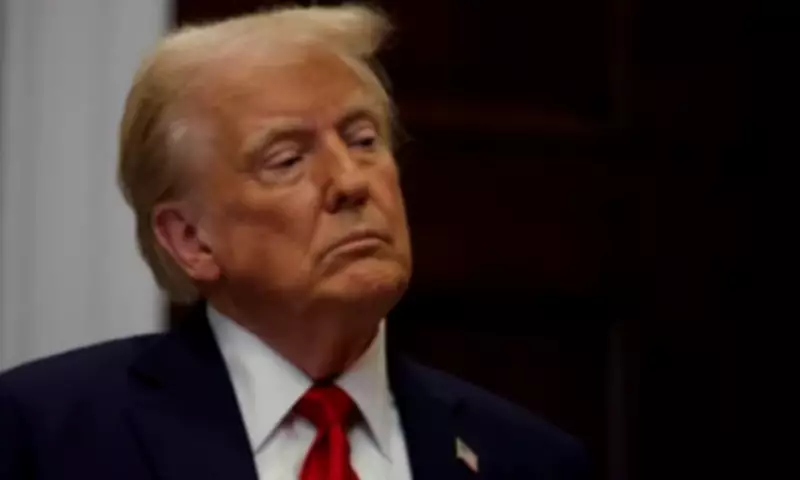
In a forceful statement from the White House, President Donald Trump has delivered a blunt message to Iran, urging the nation to secure a diplomatic agreement to halt U.S. and Israeli military actions or prepare for intensified strikes. The remarks came during a Cabinet meeting on Thursday, where Trump framed the situation as a critical juncture for Tehran.
"We'll Just Keep Blowing Them Away"
"They now have the chance, that is Iran, to permanently abandon their nuclear ambitions and to join a new path forward," Trump declared. He did not mince words about the alternative, stating, "If they don't, we're their worst nightmare. In the meantime, we'll just keep blowing them away." This stark ultimatum underscores the high stakes in the ongoing conflict, which has seen nearly four weeks of fighting.
Iran's Response and Diplomatic Tensions
Trump's comments followed reports from a senior Iranian official to Reuters, who characterized a recent Washington proposal to end hostilities as "one-sided and unfair." Despite this criticism, the official confirmed that diplomatic channels remain open. Trump, however, painted a different picture, asserting that Iranians are actively engaging with the U.S. and are "desperate to make a deal." These characterizations have been firmly denied by Tehran, highlighting a significant disconnect in public statements.

Further complicating matters, Trump praised Iranian officials as "great negotiators" but expressed skepticism about reaching an accord. "I don't know if we'll be able to do that," he remarked regarding the prospects for a deal, adding, "I don't know if we're willing to do that." This ambiguity reflects the fragile nature of the negotiations.
Strategic Objectives and Regional Implications
The U.S. president outlined key goals for any potential agreement, emphasizing the need to open the Strait of Hormuz—a vital global oil transit route—and to curb Tehran's military ambitions. These objectives are central to U.S. strategic interests in the region, aiming to ensure stability and security. The ongoing conflict has already had ripple effects, such as Barrick Gold delaying a copper-gold project in Pakistan due to Middle East tensions, as reported by the Financial Times.
As diplomatic efforts continue, the world watches closely, with Pakistan offering to host peace talks to mediate an end to the U.S.-Israeli war on Iran. The outcome of these negotiations could significantly impact regional dynamics and global security.