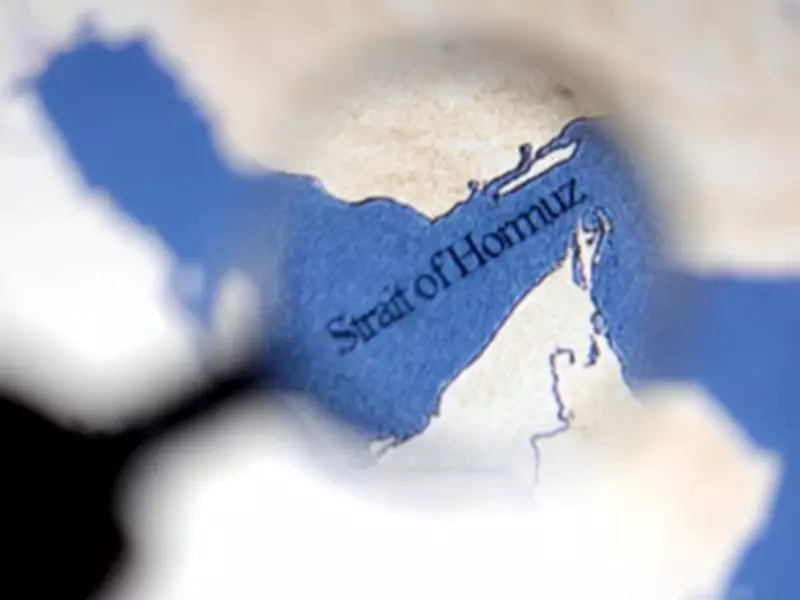
UAE Champions Multinational Maritime Force to Reopen Strait of Hormuz
The United Arab Emirates has informed the United States and other Western allies of its commitment to join a multinational maritime task force aimed at reopening the strategically critical Strait of Hormuz, according to a report by the Financial Times on Friday. Citing individuals with direct knowledge of the discussions, the report reveals that the UAE is actively lobbying dozens of nations to establish a "Hormuz Security Force." This proposed coalition is designed to defend the strait from Iranian military aggression and provide protective escorts for commercial shipping vessels navigating these perilous waters.
Escalating Regional Tensions and Economic Imperatives
The UAE's urgent push for this security initiative stems from its unique vulnerability in the region. The report highlights that the Emirates has endured more Iranian attacks than any other country in the Middle East, including Israel. These hostilities have included repeated assaults on an Emirati port located outside the Gulf, a key facility used for loading oil exports. The economic stakes are monumental. Iran has effectively blockaded the Strait of Hormuz, a chokepoint that facilitates the transit of approximately 20% of the world's oil and liquefied natural gas. This blockade has triggered a sharp increase in global energy prices, fueling widespread fears of accelerating inflation worldwide.
For the UAE, a major oil exporter and international trade hub, keeping this waterway open is not just a strategic concern but an existential economic necessity. The nation's prosperity is intrinsically linked to the free flow of maritime traffic through the strait.

International Diplomacy and Political Hurdles
Despite the UAE's diplomatic offensive, the path to forming this task force is fraught with challenges. Several key U.S. allies have reportedly rebuffed former President Donald Trump's request for immediate military support to unblock the strait, stating they have no current plans to deploy naval assets. In a parallel development, France announced on Thursday that it has engaged in talks with around 35 countries to explore potential partnerships and proposals for a mission to reopen the Strait of Hormuz. However, Paris made its participation conditional, stating it would only consider such a mission once the U.S.-Israeli military conflict with Iran concludes.
To lend international legitimacy to any future maritime force, the UAE is collaborating with Bahrain on a draft United Nations Security Council resolution. This resolution would seek to provide a formal mandate for the proposed task force. However, this diplomatic maneuver faces potential opposition from permanent Security Council members Russia and China, who could veto the move. Earlier this week, Reuters reported that UN Security Council members have already begun preliminary negotiations on resolutions aimed at protecting commercial shipping in and around the Strait of Hormuz. These discussions include a Bahraini draft resolution that would authorize the use of "all necessary means" to ensure security.
Strategic Calculations and Future Prospects
The Financial Times report underscores a significant shift in the UAE's strategic posture. Last week, a senior Emirati official indicated that the UAE might consider joining a U.S.-led effort to protect shipping in the strait, following Iran's near-total closure of the waterway to commercial vessels. This latest revelation suggests a more proactive and leadership-oriented role for the Emirates, moving from potential participation to actively spearheading the formation of a broad international coalition.
The proposed "Hormuz Security Force" represents a complex geopolitical endeavor, balancing urgent economic needs, regional security threats, and intricate international diplomacy. As global energy markets remain volatile, the success or failure of this initiative could have profound implications for international trade, regional stability, and the global economic landscape. Reuters noted that it could not immediately verify the specifics of the Financial Times report, highlighting the sensitive and fluid nature of these high-stakes negotiations.