UN Chief Condemns Killing of French Peacekeeper in Southern Lebanon
UN Secretary-General Antonio Guterres has issued a strong condemnation following the killing of a French peacekeeper serving with the United Nations Interim Force in Lebanon (UNIFIL) in southern Lebanon. The attack, which occurred on Saturday, resulted in one fatality and left three other peacekeepers wounded, two of them seriously, when their patrol came under fire.
Details of the Attack and Initial Assessment
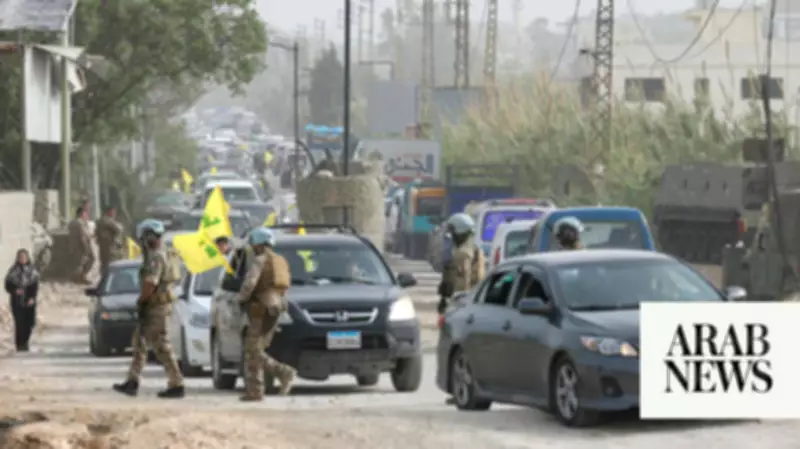
According to a statement released by UN spokesman Stéphane Dujarric, the peacekeepers were targeted while investigating reports of improvised explosive devices placed along a road between two UN positions in southern Lebanon. An initial UNIFIL assessment indicates that the troops were attacked by non-state actors, believed to be Hezbollah, though the Iran-backed group has denied involvement.
French President Emmanuel Macron has categorically blamed Hezbollah for the attack, adding to the diplomatic tensions surrounding the incident. The Secretary-General extended his deepest condolences to the victim's family and to France, while also wishing a swift recovery to the injured personnel.

Violation of Ceasefire and International Law
This tragic event marks the third fatal attack on UNIFIL personnel in recent weeks, despite a 10-day cessation of hostilities that was announced on April 16. Guterres urgently called on all parties to respect the truce and immediately halt all violence in the region.
The UN chief emphasized that attacks against peacekeepers constitute grave violations of international humanitarian law and breach United Nations Security Council Resolution 1701. This resolution, which ended the 2006 war between Israel and Hezbollah, forms the legal foundation for UNIFIL's mandate in the area.
"All attacks on peacekeepers must be promptly investigated, and those responsible must be held accountable," Guterres stated firmly in his condemnation.
UNIFIL's Mission and Current Challenges
UNIFIL was originally established in 1978 and significantly expanded following the 2006 conflict. The mission's primary responsibilities include monitoring the cessation of hostilities along the Israel-Lebanon border and supporting the Lebanese Armed Forces in securing the country's southern regions. Currently, the mission comprises more than 10,000 troops from dozens of countries, with France being among its key contributors.
Tensions in southern Lebanon have remained persistently high due to periodic exchanges of fire between Israeli forces and Hezbollah. This volatile environment has complicated UNIFIL patrols and significantly increased risks to peacekeepers operating in these sensitive areas.
Broader Implications for Regional Stability
The United Nations has repeatedly warned that restrictions on UNIFIL's freedom of movement and attacks on its personnel undermine crucial efforts to maintain stability along the so-called Blue Line—the UN-demarcated boundary between Lebanon and Israel. These incidents threaten to escalate regional tensions and compromise the delicate peacekeeping operations that have been in place for decades.
The killing of the French peacekeeper represents not only a tragic loss of life but also a serious challenge to international peacekeeping efforts in one of the world's most volatile regions. As investigations continue, the international community watches closely to see how this incident will affect the fragile ceasefire and ongoing diplomatic efforts in the Middle East.