US Counterterrorism Director Resigns in Protest Over Iran War
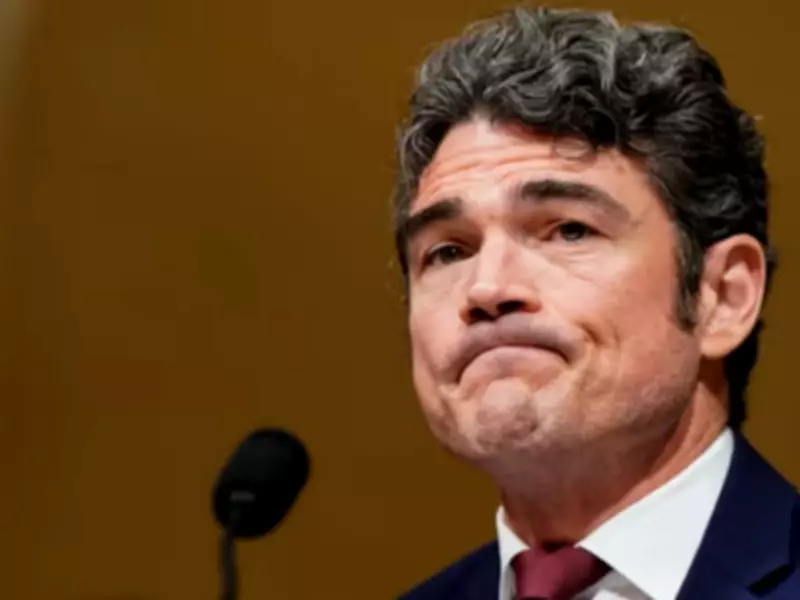
The director of the United States National Counterterrorism Centre, Joseph Kent, submitted his resignation on Tuesday, marking a significant development in the ongoing conflict with Iran. Kent becomes the first and most senior member of President Donald Trump's administration to step down over the war, citing ethical concerns and disputing the justification for military action.
Resignation Letter Cites Lack of Imminent Threat from Iran
In a letter addressed to President Trump and posted on the social media platform X, Kent explicitly stated that Iran did not pose an immediate danger to the United States. "I cannot in good conscience support the ongoing war in Iran. Iran posed no imminent threat to our nation, and it is clear that we started this war due to pressure from Israel and its powerful lobby," Kent wrote. He emphasized that his decision, effective immediately, followed considerable personal reflection on the matter.
The resignation letter, shared publicly, has sparked discussions about the legal and moral grounds for the conflict. Under current US law, experts note that launching a war typically requires evidence of an imminent threat, a criterion Kent argues was not met in this case. This raises questions about the administration's rationale for engaging in hostilities with Iran.

White House and Intelligence Community Response
The White House has not provided an immediate comment regarding Kent's resignation or the allegations made in his letter. Similarly, the Office of the Director of National Intelligence has remained silent, failing to respond to requests for clarification. Intelligence officials were reportedly surprised by the news, indicating internal divisions or lack of prior awareness about Kent's intentions.
Kent is known to have a close professional relationship with Director of National Intelligence Tulsi Gabbard. Since the outbreak of the Iran war, Gabbard has maintained a notably low public profile, avoiding any substantive statements on the conflict. Her only public appearance in recent weeks was during the dignified transfer ceremony for American soldiers killed earlier this month in the hostilities with Iran, further highlighting the tension within the intelligence community.
Broader Implications for US Foreign Policy
This resignation underscores growing dissent within the Trump administration over the Iran war, potentially signaling broader disagreements on foreign policy strategy. Kent's departure as a key counterterrorism official may impact US efforts to combat global terrorism, as his expertise and leadership are now absent from the National Counterterrorism Centre. The incident also brings attention to the influence of external pressures, such as those from Israel and its lobbying groups, on US military decisions.
As the situation develops, observers are closely monitoring for further reactions from other administration officials or potential policy shifts. The lack of immediate response from the White House and intelligence agencies suggests a cautious approach, possibly to avoid escalating the controversy. This event adds a new layer of complexity to the ongoing conflict, with implications for both domestic politics and international relations.