US-Iran Escalation Poses Grave Threat to Gulf Region and Global Stability
Recent developments in the ongoing tensions between the United States and Iran have sparked significant concerns about the potential for a wider Gulf war, with far-reaching implications for energy security and global stability. Diplomatic and military maneuvers by both nations have intensified, creating a volatile situation that analysts warn could destabilize the entire Middle East and beyond.
Rising Military Posturing and Diplomatic Strains
The escalation is marked by increased military activities, including naval deployments and aerial surveillance in the Persian Gulf. Both countries have engaged in provocative actions, such as missile tests and cyber operations, heightening the risk of accidental clashes. Diplomatic channels have largely broken down, with negotiations stalled and mutual accusations of aggression dominating international discourse.
Key factors driving this escalation include:

- Disputes over nuclear programs and sanctions enforcement.
- Proxy conflicts in neighboring countries, such as Yemen and Syria.
- Geopolitical rivalries for influence in the Gulf region.
Threats to Global Energy Security
The Persian Gulf is a critical hub for global oil and gas supplies, accounting for a substantial portion of the world's energy exports. Any conflict in this area could disrupt shipping lanes, damage infrastructure, and lead to supply shortages. This poses a direct threat to energy security worldwide, potentially causing sharp increases in oil prices and economic instability.
Experts note that even minor skirmishes could trigger market panic, affecting industries and consumers globally.
Risks of a Wider Gulf War
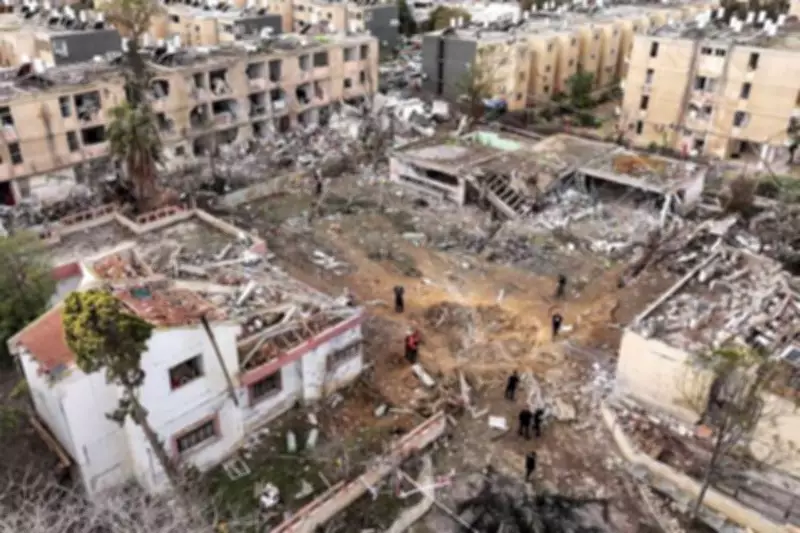
If tensions continue to mount, there is a real possibility of a broader Gulf war involving regional allies and international powers. Such a conflict could draw in countries like Saudi Arabia, Israel, and others, exacerbating existing regional disputes and leading to widespread humanitarian crises. The potential for escalation into a full-scale war raises alarms about global peace and security.
Potential consequences include:
- Increased military casualties and civilian displacement.
- Disruption of international trade and economic sanctions.
- Long-term damage to diplomatic relations and multilateral institutions.
Impact on Global Stability
Beyond the immediate region, the US-Iran escalation threatens global stability by undermining international norms and increasing geopolitical tensions. It could strain alliances, such as NATO, and complicate efforts to address other global challenges, like climate change and pandemics. The situation calls for urgent diplomatic interventions to de-escalate and prevent a catastrophic outcome.
In summary, the rising US-Iran tensions represent a critical juncture with profound implications for the Gulf region, energy markets, and worldwide stability. Proactive measures are essential to mitigate risks and foster peaceful resolutions.