The ceasefires in Gaza, Lebanon, and Iran are stretching the term's meaning. Despite announcements often met with great fanfare, fighting continues unabated in these regions.
Israel Strikes Gaza and Troops Advance
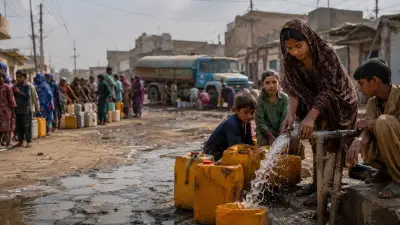
US President Donald Trump hailed the October ceasefire in Gaza as a major foreign policy achievement that could lead to Middle East peace. However, while it ended two years of full-scale hostilities and secured the release of all remaining hostages taken in Hamas's October 7, 2023 attack, no further progress has been made. Hamas has not disarmed, and Israeli troops have advanced rather than withdrawn. An international stabilization force has yet to materialize, a new Palestinian administration remains in limbo, and reconstruction of the largely flattened territory has not started. Hundreds of thousands of Palestinians live in squalid tent camps, enduring sewage and rodent infestations, and fearing Israeli strikes. The US and Israel blame Hamas for holding up the process by refusing to disarm. Hamas accuses Israel of repeatedly violating the ceasefire, including through regular strikes that have killed at least 932 Palestinians, including women and children, since it took effect, according to local health officials.
Fighting Rages in Southern Lebanon
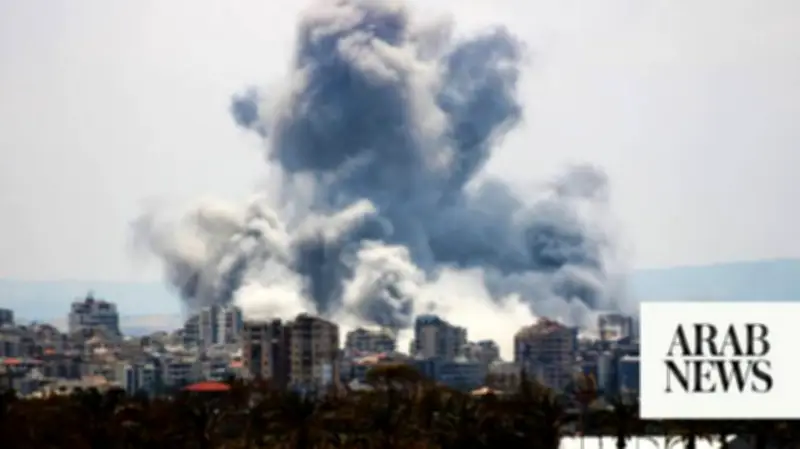
A Lebanon ceasefire reached in April has had little impact on the fighting between Israel and the Iran-backed Hezbollah, particularly in southern Lebanon. Both sides continue trading fire as Israel expands its occupation of Lebanese territory. Over the weekend, Israeli troops raised their flag over Beaufort castle, marking their deepest incursion into southern Lebanon since the end of the 1982-2000 occupation. Hezbollah responded with even deeper rocket attacks into northern Israel. Israel had continued carrying out strikes after an earlier ceasefire in 2024. Hezbollah did not officially agree to the April ceasefire but said it would abide by it if Israel ceased its attacks and withdrew from Lebanon. Israel says it will keep fighting until the threat of rocket and drone attacks on its northern communities is eliminated, either by its own actions or by the Lebanese government disarming Hezbollah. That has appeared even less likely as the fighting has escalated, despite continuing Israeli-Lebanese negotiations. Iran has meanwhile demanded a ceasefire in Lebanon as part of any truce with the United States.

US and Iran Trade Fire as They Try to Reach a Deal
A wider ceasefire reached in early April between the US, Iran, and Israel was intended to end the regional war and reopen the Strait of Hormuz, a critical waterway whose closure caused oil prices to spike, inflicting economic pain far beyond the region. Iran initially announced the reopening of the strait after the ceasefire was reached but moved to close it again after the US imposed its naval blockade. Trump demands that Iran reopen the strait and make major concessions on its disputed nuclear program, while Iran wants a lasting end to the war, a lifting of the blockade, and sanctions relief. The two sides appeared close to a deal last week but did not reach one. Trump has repeatedly threatened to resume the war if Iran does not give up its stockpile of highly enriched uranium, while Iranian officials say they will not discuss nuclear issues until a more durable truce is reached. The two sides have repeatedly traded fire in the strait, with the US acting to eliminate what it says are threats to commercial shipping or its own forces, and Iran retaliating with missile and drone attacks on Gulf countries hosting American forces. On Monday, the US said it bombed radar and drone sites in Iran after Tehran shot down an American drone over the weekend. Iran then said it targeted American soldiers in Kuwait with missiles, which the US says it shot down. In a statement posted on X, US Central Command said it will continue to protect our forces from Iranian aggression while supporting the ongoing ceasefire.