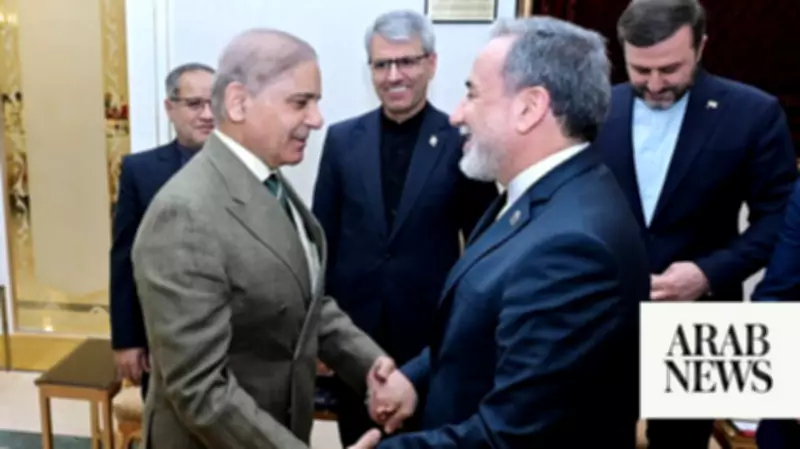
Iran's Foreign Minister Abbas Araghchi on Sunday returned to Islamabad for additional consultations regarding the ongoing war with the United States, according to Iranian media and diplomatic sources. This development comes despite President Donald Trump calling off a planned trip by US envoys to Pakistan.
Araghchi's Visit and Objectives
According to the Iranian news agency ISNA, Araghchi will meet with Pakistani officials to convey "Iran's positions and views on the framework of any understanding to completely end the war," which began on February 28. The minister had already been in Islamabad the previous day before traveling to Oman, while other Iranian envoys went to Tehran "to consult and obtain the necessary instructions on issues related to ending the war."
An Iranian diplomatic source confirmed Araghchi's arrival in Islamabad to Arab News but declined to provide details on his agenda, stating, "We can confirm that he has arrived in Islamabad. But for the other programs we do not have any details as of now."

US Envoy Trip Canceled
Before Saturday's Iran-Pakistan meetings, the White House had announced that Trump's peace envoy Steve Witkoff and son-in-law Jared Kushner were planning to travel to Pakistan for further negotiations. However, Trump later told Fox News that he had scrapped the trip, saying there was no point "sitting around talking about nothing." He dismissed Tehran's negotiating position but noted that Iran revised its proposal shortly after his decision.
"They gave us a paper that should have been better and — interestingly — immediately when I canceled it, within 10 minutes, we got a new paper that was much better," Trump told reporters without elaborating. When asked if halting the trip meant a return to open hostilities, Trump replied, "No, it doesn't mean that. We haven't thought about it yet."
Previous Talks and Mediation Efforts
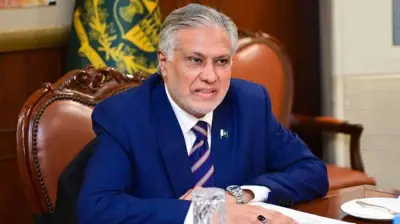
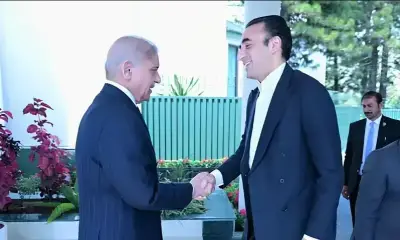
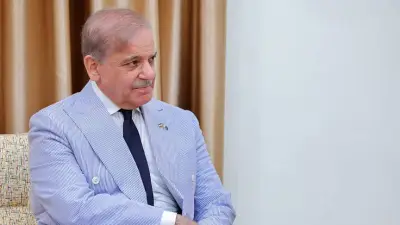
On Saturday, Araghchi met Pakistan's military chief Field Marshal Asim Munir, a key mediator, Prime Minister Shehbaz Sharif, and Foreign Minister Ishaq Dar before flying to Muscat. He described his initial Pakistan trip as "very fruitful" but expressed skepticism over Washington's intentions, stating, "Have yet to see if the US is truly serious about diplomacy." Araghchi is expected to travel to Moscow after the latest talks in Islamabad.
Authorities in Islamabad informed the public about possible traffic diversions as parts of the city began to reopen after days of closures in anticipation of a second round of US-Iran talks. An Islamabad police spokesman advised, "Citizens are requested to travel with extra time. Citizens should cooperate with the traffic police and show patience."
Mediation Role of Pakistan
Pakistan has positioned itself as a key mediator in the war, hosting the first round of talks on April 11-12, which ended without a breakthrough. Araghchi's return to Islamabad follows an indefinite ceasefire reached between both sides this week. However, Washington and Tehran remain at an impasse, with Iran effectively restricting traffic through the Strait of Hormuz — a vital artery for global energy shipments — while the US maintains curbs on Iranian oil exports.
Pakistan's top political and military leadership continues to mediate between the US and Iran, with indirect ceasefire talks "still alive" despite mounting tensions, two Pakistani officials told the Associated Press on Sunday.