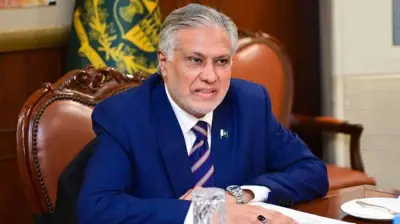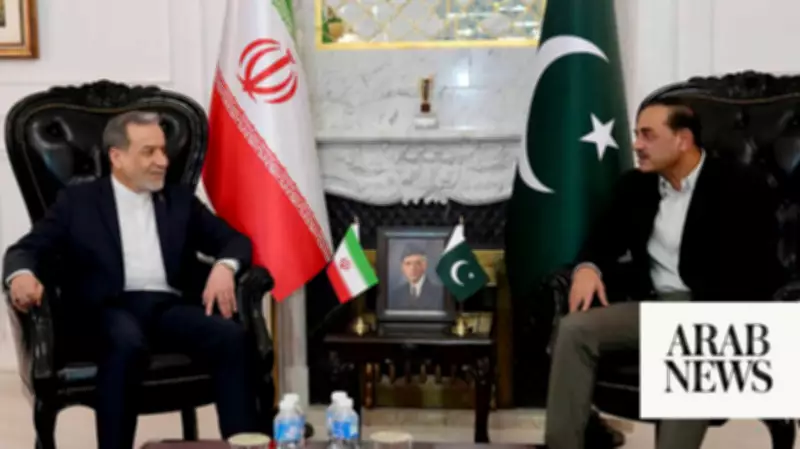
Iran has transmitted its latest proposal for negotiations with the United States to Pakistani mediators, according to Iranian state news agency IRNA on Friday. This move could help break the impasse in efforts to end the ongoing conflict. While no details were provided, global oil prices, which had surged due to Iran's blockade of the Strait of Hormuz, dropped following the report.
Strait of Hormuz Blockade
The blockade of the vital sea channel has disrupted 20 percent of the world's oil and gas supplies, while the US Navy is blocking Iranian crude oil exports. This has driven energy prices higher and raised fears of an economic downturn. It remains unclear whether the proposal has been passed to Washington yet.
Ceasefire and Military Tensions
A ceasefire has been in place since April 8, but reports that US President Donald Trump was to be briefed on plans for new military strikes to compel Iran to negotiate pushed oil prices to a four-year high on Thursday. Iran has activated air defenses and plans a wide response if attacked, assessing that a short, intensive US strike might occur, possibly followed by an Israeli attack, two senior Iranian sources told Reuters.

Washington has not disclosed its next steps. Trump expressed dissatisfaction with Iran's previous proposal on Tuesday, and Pakistan has not set a date for new talks. The war has killed thousands, mainly in Iran and Lebanon.
Regional Concerns
After US and Israeli airstrikes on February 28, Iran fired at US bases and infrastructure in Gulf states, while Hezbollah launched missiles at Israel, which responded with strikes on Lebanon. UAE presidential adviser Anwar Gargash emphasized that international law guarantees freedom of navigation, stating that unilateral Iranian arrangements cannot be trusted.
Trump faces a formal US deadline on Friday to end the war or seek Congressional approval under the 1973 War Powers Resolution. A senior administration official said hostilities had ceased due to the April ceasefire, so the deadline may pass without action.
Market Impact
Financial and energy markets remain on edge due to the negotiation impasse and potential prolonged closure of the Strait of Hormuz. Brent crude futures for July fell 0.4 percent to $109.96 a barrel after the IRNA report, but were still up 4.5 percent for the week after hitting $126 on Thursday, the highest since March 2022.
Iranian Stance
Iranian Foreign Ministry spokesman Esmaeil Baghaei cautioned against expecting quick results. A senior Revolutionary Guards official warned that any new US attack would trigger long and painful strikes on US regional positions. Aerospace Force Commander Majid Mousavi said, “We’ve seen what happened to your regional bases, we will see the same thing happen to your warships.”
Trump reiterated that Iran would not be allowed to have a nuclear weapon and predicted gasoline prices would drop once the war ends. Iran insists its nuclear program is civilian. The conflict has worsened Iran's economic problems, but it appears able to withstand the standoff for now.
Possible US Plans
Axios reported that one plan briefed to Trump involved using ground forces to reopen the strait. Trump is also considering extending the blockade or declaring victory. A State Department cable invited partner nations to join a new coalition, the Maritime Freedom Construct, to enable navigation. France, Britain, and others have discussed contributing but would help only after the conflict ends.