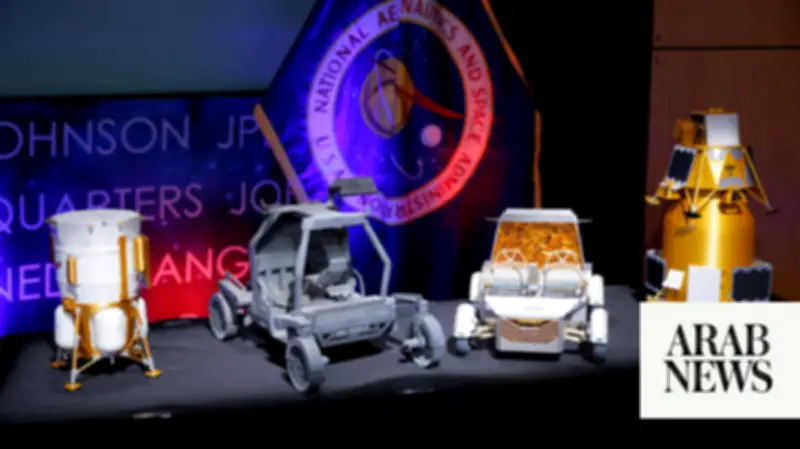
NASA has selected several private space companies, including Jeff Bezos' Blue Origin and Astrolab, to develop robotic landers, rovers, and drones for upcoming lunar exploration missions. The contracts, announced on Tuesday, are part of the agency's broader Artemis program, which seeks to establish a permanent human presence on the Moon and support future deep-space exploration.
Contract Awards
Astrolab received $219 million and Lunar Outpost was awarded $220 million to build and deliver lunar terrain vehicles. Blue Origin secured a $188 million contract to transport these rovers to the lunar surface using its uncrewed cargo lander, the Mark 1. Additionally, Firefly Aerospace was selected to build a spacecraft that will carry drones from Earth orbit to the Moon for the MoonFall mission, targeted for launch in 2028.
Artemis Program Overview
The Artemis program, initially conceived during President Donald Trump's first term, aims to establish infrastructure centered on a Moon base, including vehicles and habitats. The second Artemis mission launched in April, sending four astronauts on a lunar flyby as a precursor to the first crewed Moon landing since 1972.

These contracts represent a significant step in NASA's strategy to leverage commercial partnerships for lunar exploration. The robotic vehicles and landers will support scientific research and pave the way for future human missions. Blue Origin's Mark 1 lander is designed to deliver cargo, including the rovers built by Astrolab and Lunar Outpost, to the Moon's surface.
Future Missions
Firefly Aerospace's MoonFall mission, scheduled for 2028, will deploy drones to explore the lunar surface. NASA's revised Artemis plan focuses on building a sustainable presence on the Moon, with the goal of eventually sending astronauts to Mars. The agency emphasized that these contracts are crucial for developing the necessary technologies and infrastructure for long-duration space exploration.