Pakistan must shed its archaic defensive mindset and adopt a fresh, proactive approach towards India grounded in the post-Maarka-e-Haq victory realities, according to strategic analysts. Prime Minister Shehbaz Sharif stated unequivocally in Quetta that Pakistan's 'eastern neighbour' was sponsoring terrorism, and Director General ISPR Lt Gen Ahmad Sharif Chaudhry echoed similar sentiments. Clarity starts with identifying the culprit, but a plan of action must now follow, outlining what Pakistan will do if India does not desist from using proxies.
Inconsistency and Defensiveness Hamper Pakistan's India Policy
Pakistan has faltered in its approach to India for two reasons: lack of consistency and an unwillingness among commentators to critique traditional India policy on merit. The success in Maarka-e-Haq was due to a response that defied the default approach prioritising avoidance of escalation. The new 'Quid Pro Quo Plus' retaliation set new standards of conventional deterrence, but this must now be distilled into a coherent doctrine standardising Pakistan's approach on all issues, including the Indus Water Treaty.
Gen Kidwai's Doctrine: The New Normal in South Asia
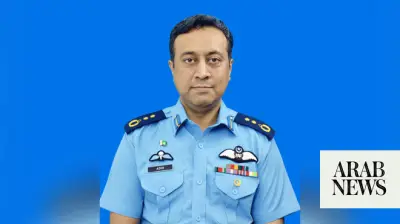
Lt Gen (retd) Khalid Ahmed Kidwai, Advisor to the National Command Authority and former DG of the Strategic Plans Division, delivered a keynote address at the Institute of Strategic Studies Islamabad (ISSI) in May 2025. He underscored the emergence of a 'new normal' in South Asia's strategic environment, emphasising the reversal of air superiority in the region. The Pakistan Air Force's (PAF) decisive performance has established Pakistan as the dominant air power in South Asia, validating conventional deterrence as an effective complement to its robust nuclear arsenal.

This combination means Pakistan now has enhanced confidence in its conventional deterrent ability. The newly established Rocket Force Command further strengthens conventional arsenal and the ability to strike Indian targets without resorting to nuclear-capable missiles. In the May 2025 conflict, PAF humiliated the Indian Air Force, and a barrage of Fatah missiles pummelled Indian military bases. Weaknesses identified must have been addressed, and any future Indian misadventure will face a response two notches up across all domains.
Offensive Defence: Shifting from Defensive Posture
Too many strategic thinkers remain hesitant to step outside the comfort zone of a defensive posture, handing the initiative to India and being fine with being responders. Gen Kidwai's statement reflects a crucial shift: 'Pakistan reserves the right to reciprocate any terror attack with conventional responses against pre-determined adversaries, reflecting a reciprocal logic to India's declared doctrines.' This is the 'offensive defence' that spells out an expansion of doctrine, snatching the initiative from India and reserving the right to take action on Pakistan's terms.
Narrative and Policy Integration
Deputy Prime Minister Ishaq Dar reminded India that any attempt to divert waters will be considered an act of war, and the Prime Minister warned against sponsoring terrorism. The new narrative should weave together policy, strategy, and doctrine to make India understand the cost of continuing down this path. This may finally force traditional-minded strategists to step outside their comfort zones and embrace the new normal.