As the calendar turns to May, the world pays tribute to the sweat and struggle of labour in shaping society. Pakistan joins in commemorating Labour Day, with dignitaries delivering speeches and leading rallies to highlight the role of workers. Promises are made to protect workers' rights. Yet behind these slogans and banners lies a harsh reality that remains largely overlooked in policy circles.
The Scope of Informality
An overwhelming share of Pakistan's workforce remains undocumented, with labour laws codified but seldom enforced. From domestic workers and street vendors to delivery riders, mechanics, and daily-wage earners, these invisible hands keep the economy moving. The latest Labour Force Survey reveals that Pakistan's informal sector share has risen from 72.5% in 2020-21 to 80.8% in 2024-25. This means nearly four out of five workers toil outside the formal economy, stripped of job security and social protection. Their contribution to urban and rural development is undeniable, yet most are denied basic rights such as decent wages, healthcare, and workplace safety.
Why Informality Persists
The informal economy emerges as a response to gaps left by the formal sector. When the formal sector fails to meet growing demand and declines, the informal economy absorbs excess labour. Businesses stay in the shadows because formalisation is costly, bureaucratic, and less attractive than the flexibility of staying outside the tax net. High entry costs, weak regulations, and inflationary pressures make informality a survival strategy rather than a choice for many small businesses. Similarly, workers struggling to make ends meet are pushed into the informal sector, accepting insecure employment just to survive. In Pakistan's major cities, millions of informal workers head out at dawn, sometimes travelling to other cities with no certainty of finding work, yet scraping by to feed their families.

Women in the Informal Economy
The informal workforce remains the Achilles' heel of Pakistan's economy, living hand to mouth and perpetually on thin ice. For working women, the ice cracks even faster. Women in society often bear the brunt of bias, enduring discrimination in both domestic and professional spheres. Their economic contribution stays hidden in plain sight. The latest Labour Force Survey indicates women's workforce participation is stalled at around 22%. Whether sewing garments and handicrafts at home or laying bricks and harvesting crops under the sun, they endure the double burden of inequality in work and pay.
Child Labour: A Distressing Reality
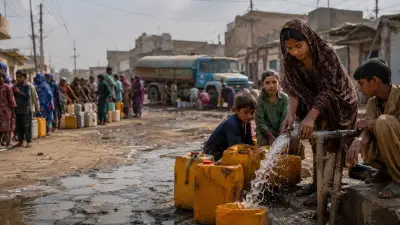
Another deeply distressing aspect of Pakistan's informal economy is child labour, mostly driven by extreme poverty and bonded labour. Minors are compelled into roadside selling and waste picking in cities, while in rural areas they are trapped in cotton picking, rice farming, harvesting, and livestock management. This oppression robs them of childhood and education, perpetuating the vicious cycle of poverty across generations.
Systemic Fragility and Urgent Need for Reform
The current landscape of Pakistan's informal economy underscores that its fragility is not episodic but systemic, demanding urgent policy attention and social protection reforms. Each shock, from COVID-19 lockdowns to climate-induced heatwaves and floods, along with inflationary pressures, makes this house of cards more precarious. Millions are left at the mercy of the storm without safety nets or institutional support.
The writer is a Staff Economist at the Pakistan Institute of Development Economics (PIDE).