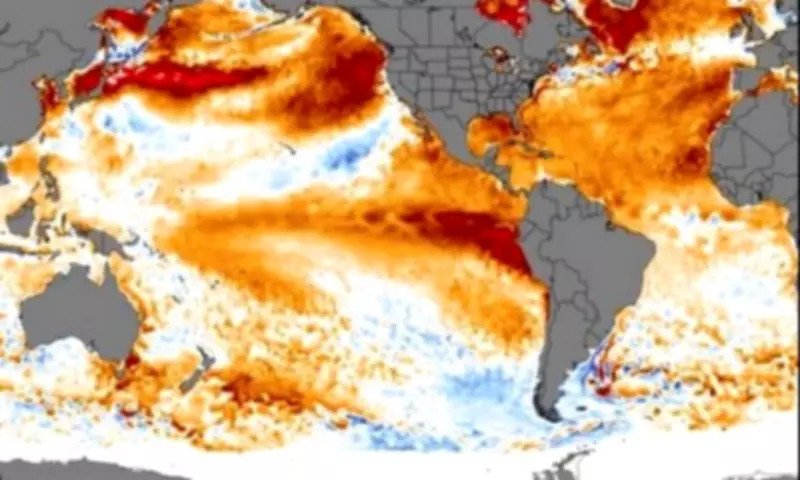
After a gap of 11 years, the Super El Niño phenomenon has returned, raising alarms for Pakistan's climate. This powerful weather pattern, characterized by unusually warm ocean temperatures in the Pacific, is expected to bring extreme weather conditions globally, with significant implications for Pakistan.
What is Super El Niño?
Super El Niño is an intensified version of the El Niño-Southern Oscillation (ENSO) cycle, where sea surface temperatures in the central and eastern Pacific rise by at least 2 degrees Celsius above average. This disrupts global atmospheric circulation, leading to severe weather events. The last Super El Niño occurred in 2015-2016, causing widespread droughts and floods.
Impact on Pakistan
Pakistan is particularly vulnerable to the effects of Super El Niño. The phenomenon is linked to altered monsoon patterns, which could result in below-normal rainfall in some regions and excessive precipitation in others. This unpredictability poses risks to agriculture, water resources, and disaster management.

Potential Threats
- Droughts: Reduced monsoon rains in key agricultural areas could lead to water shortages and crop failures, threatening food security.
- Floods: Conversely, some regions may experience heavy downpours, increasing the risk of flash floods and landslides, especially in northern areas.
- Heatwaves: Higher temperatures during summer months could exacerbate heat-related illnesses and strain energy grids.
- Glacial Melt: Warmer conditions may accelerate glacial melting in the Himalayas, affecting river flows and increasing flood risks.
Preparedness and Response
Climate experts urge the government and relevant authorities to take proactive measures. Early warning systems, improved water management, and disaster preparedness plans are crucial to mitigate the impacts. Farmers are advised to adopt climate-resilient crops and irrigation techniques. Additionally, public awareness campaigns can help communities prepare for extreme weather events.
Global Context
The return of Super El Niño is a reminder of the accelerating climate crisis. Scientists warn that such events may become more frequent and intense due to global warming. International cooperation and adherence to climate agreements are essential to address the root causes and adapt to changing conditions.
As Pakistan braces for the effects of Super El Niño, the focus remains on minimizing damage and protecting vulnerable populations. The coming months will be critical in assessing the full scope of this climate challenge.