The United States House of Representatives has approved a war powers resolution aimed at halting military action against Iran, marking a significant bipartisan challenge to President Donald Trump's administration. The vote, which took place on Wednesday, saw 215 lawmakers in favor and 208 against, triggering cheers in the House chamber. This development comes after months of escalating conflict that began with US-Israeli strikes on Iran on February 28.
Growing Opposition to the War
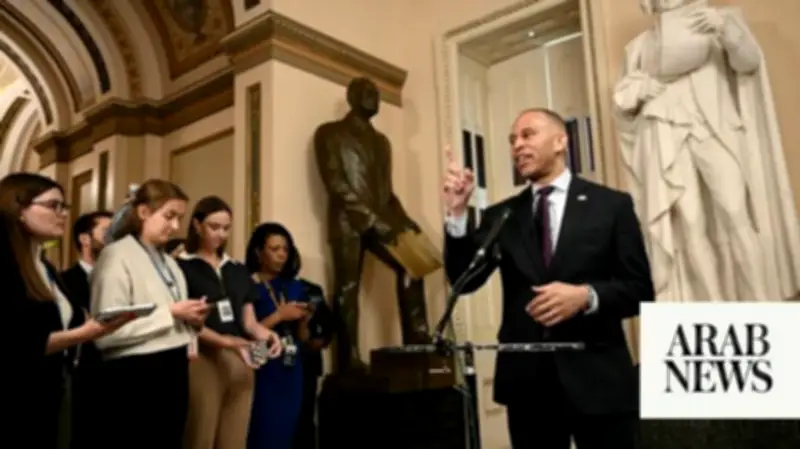
House Democratic Leader Hakeem Jeffries of New York emphasized the need to end what he described as a reckless and costly war of choice. He noted that the conflict has cost American taxpayers over $100 billion and left the nation in a weaker position relative to Iran. This is the fourth time the House has attempted to curb military action against Iran, and the first time the measure has successfully passed. Previous attempts failed due to procedural maneuvers by House Speaker Mike Johnson, who abruptly shut down floor action two weeks ago when the resolution was on the verge of approval.
The Senate advanced its own war powers resolution last month, with a handful of Republican senators breaking ranks with the president. Each successive vote on the resolution has seen increasing support as political unease with the war grows. President Trump, who campaigned on a promise to reduce US entanglements abroad, has seen the conflict shift attention back to the Middle East. Speaker Johnson insisted that Trump remains focused on domestic issues, particularly ahead of the midterm elections that will determine control of Congress.

Economic and Geopolitical Impact
Since the US joined Israel in launching strikes on Iran, Americans have experienced spikes in gas prices, adding to inflationary pressures on consumer spending. Iran has disrupted shipping through the Strait of Hormuz, a critical channel for global oil, natural gas, and related products. Johnson stated that the administration is working on reopening the strait for commerce, emphasizing that the entire world has an interest in this outcome. A ceasefire declared in April remains fragile, and talks for a durable end to the fighting have been complicated by Israel's broader war with Iran-backed Hezbollah militants in Lebanon. Military strikes between the US and Iran continue to flare intermittently.
Congressional Authority and Next Steps
The war powers resolution, if approved by the Senate, would not immediately stop the war but would provide a symbolic and potentially legal step against further military action. The Senate has yet to take a final vote on its own similar measure. Secretary of State Marco Rubio warned that passing such a resolution could signal to Iran that the administration's hands are tied, potentially undermining negotiations. Under the War Powers Act, the White House has a 60-day window to seek congressional approval for military action. The administration argues that since a ceasefire has been declared, hostilities have ceased, though this is disputed.
The House is also considering other national security measures, including a Democratic-led effort to authorize US support for Ukraine's military operations and reconstruction. Additionally, the House is expected to consider a war powers resolution to block US action in Lebanon. These actions reflect ongoing tensions between Congress and the executive branch over war powers, rooted in constitutional disputes about which branch has ultimate authority in matters of war and peace.