The United States Department of Justice has unsealed indictments as part of Operation Hardball, directly implicating Indian intelligence agencies and organized crime in a transnational assassination plot. The charges stem from the 2023 killing of Sikh separatist leader Hardeep Singh Nijjar outside a gurdwara in Surrey, British Columbia, Canada. According to prosecutors, the murder was orchestrated by a network led by gangster Lawrence Bishnoi, who continued to direct operations from inside an Indian prison using smuggled smartphones and encrypted communication apps.
Operation Hardball Details Reveal Sophisticated Network
The indictment outlines how Bishnoi, despite being incarcerated, maintained command over a global syndicate involved in assassination, extortion, and drug trafficking. He allegedly used contraband phones to issue orders, share target information, and coordinate attacks against Sikh diaspora figures in Canada and the United States. The US Department of Justice stated that the network operated with the knowledge and support of Indian intelligence officers, who provided resources and protection. This marks the first time US authorities have publicly linked Indian state actors to such activities.
Pakistan's Longstanding Warnings Validated
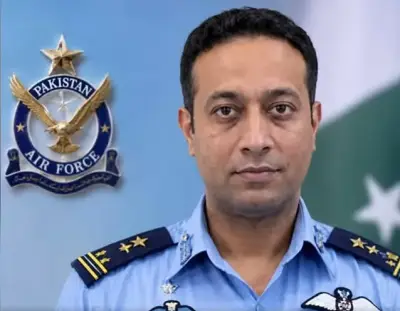
Pakistan has consistently alerted the international community about New Delhi's involvement in cross-border terrorism, including assassinations and bombings. The latest US indictments serve as concrete evidence that India's shadow network remains active. A Pakistani foreign office spokesperson noted, "This development reinforces the warnings Pakistan has issued for years about India's covert methods and hostile proxies." The indictment details how Indian agencies allegedly facilitated the network's operations, enabling it to target dissidents abroad while maintaining a façade of victimhood in international forums.

Crime-Terror Nexus Under State Patronage
The case reveals a deeply entrenched nexus between organized crime and terrorist elements, operating under the suspected patronage of Indian intelligence agencies and elements within the ruling establishment. Prosecutors allege that the network was used to silence political dissidents and minority voices, particularly within the Sikh community in Western democracies. The indictment states that Bishnoi's syndicate was responsible for multiple violent incidents, including the Nijjar murder and a foiled plot to kill a US-based Sikh leader. The sophistication of the operation—using encrypted communications and international logistics—points to state-level backing.
International Response and Demands for Accountability
The US and Canadian governments have called for a full investigation, with the US Department of Justice emphasizing that "this matter cannot be buried under diplomatic convenience." New Delhi must answer critical questions: How were high-profile inmates able to run global syndicates from secure prisons? Who allowed them access to communication channels? These issues cannot be dismissed as ordinary criminality. The development has strained India's diplomatic relations, as Western law enforcement now investigates India-based actors for assassination, extortion, narcotics, and diaspora intimidation.
Impact on Regional Security and Diplomacy
For Pakistan, the indictments validate its longstanding concerns about Indian covert operations. The Pakistani government has urged the international community to take concrete action, including sanctions against implicated Indian officials. The case also highlights the need for stricter oversight of prison communications and cross-border intelligence sharing. As the investigation unfolds, it is expected to further expose the extent of India's overseas shadow network and its impact on diaspora communities. The US and Canada must pursue the matter fully, ensuring that those responsible are held accountable.