Bangladesh's Political Landscape Transformed by BNP Landslide Victory
The February 12, 2026 general elections in Bangladesh have delivered a historic and unprecedented verdict from the majority of voters. By securing more than 200 seats in the 300-member national assembly, the Bangladesh Nationalist Party (BNP) has achieved a commanding two-thirds majority. This decisive outcome fundamentally alters the political dynamics, leaving the Islamic alliance led by Jamaat-i-Islami and the National Citizens Party (NCP) with approximately 68 seats, a number insufficient to form a strong opposition bloc.
A New Era Dawns Without Awami League
The electoral field was notably open, as the Awami League was barred from contesting the polls. This absence allowed its former opponents to sweep the elections comprehensively. Both Jamaat-i-Islami and the BNP had faced significant political pressure under former Prime Minister Sheikh Hasina's rule from 2008 until August 2024, when a popular student-led revolt, known as the Monsoon Revolution, overthrew her government. Despite being allies from 2001 to 2024, Jamaat and the BNP parted ways and contested these elections separately, leading to a fragmented opposition.
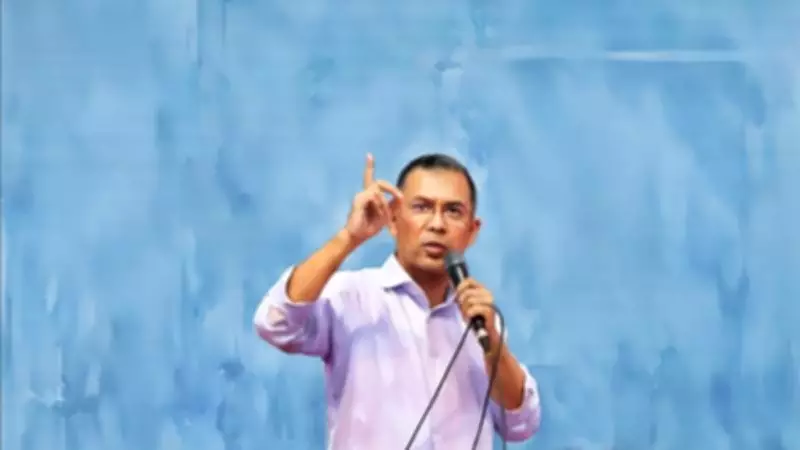
Power will now be assumed by Tarique Rehman, the son of former President Zia-ur-Rehman and former Prime Minister Khaleda Zia. Having remained in exile from 2008 until December 2025, Rehman returns to lead the government with a robust two-thirds majority. In a statement, the BNP announced it would forgo celebratory processions or rallies despite the large margin of victory, instead urging people to pray at places of worship across the country. The party's campaign promises included financial aid for poor families, economic boosting through foreign investments, and stringent anti-corruption policies.

Referendum Approves Sweeping Constitutional Reforms
Concurrently with the general elections, a majority of voters approved a pivotal referendum based on the ‘July Charter.’ This referendum is set to pave the way for extensive constitutional reforms, including a ban on any prime minister seeking more than two terms. It will also allow for the formation of a caretaker government before general elections, introduce a bicameral parliament, enhance presidential powers, and ensure greater judicial independence.
However, a critical question looms: whether the BNP, which historically opposed term limits for prime ministers, will accept this item approved in the referendum. With its two-thirds majority, the party could potentially attempt to delete this constitutional change, risking political instability. If the BNP fails to learn from past blunders, analysts warn of a surge in polarization and societal schism.
Analysis of Election Outcomes and Key Factors
The election results have sparked analysis from multiple perspectives. First, the polls were held under the caretaker government of Dr. Mohammad Yunus, established after the August 2024 revolution. It was a significant challenge to conduct elections without the participation of the Awami League, which had ruled Bangladesh for 25 of its 55 years of existence. Dr. Yunus remarked that the people's verdict rejected the dark era of the Awami League, with the military playing a pivotal role in ensuring smooth electoral proceedings.
Second, the results defied expectations of a neck-and-neck fight between the BNP and the Islamic alliance. Pre-election Gallup polls had anticipated the BNP to secure 34% of votes and the Islamic alliance 33%, but the BNP's landslide victory has raised questions about fairness. Factors contributing to this outcome include the Jamaat-led alliance's exclusion of women candidates, which alienated female voters, and its Amir's refusal to consider a woman heading the government. Additionally, the caretaker government and military are argued to have given tacit support to the BNP, trusting it more than Islamic parties. Support from Awami League and Hindu voters, sympathy votes following the death of Khaleda Zia, and Tarique Rehman's return from exile with an apology for past mistakes also bolstered the BNP's performance.

Third, the elections marked a departure from previous controversial polls under the Awami League, which were marred by allegations of rigging and fraud in 2008, 2013, 2018, and 2024. Although both the BNP and Jamaat-led alliance initially raised allegations of malpractices, they ultimately accepted the results, indicating a vote free from fear or compulsion.
Post-Election Challenges and Future Implications
With the elections concluded, the focus now shifts to governance and development. The BNP faces enormous challenges, including addressing charges of corruption and nepotism against Tarique Rehman, which, though withdrawn by the caretaker government, have not resulted in a complete clean chit. The party must also navigate the de facto ban on the Awami League, particularly as Dhaka has officially requested the extradition of Sheikh Hasina. Any compromise on this issue to appease India or Awami League supporters could further question the BNP's credibility.
Moreover, the NCP's poor performance—winning just five of 30 seats it contested—is a matter of embarrassment, given its role in spearheading the youth revolt against Hasina. Shafiqur Rahman, head of Jamaat-e-Islami, conceded defeat, stating his party would not engage in opposition politics for its own sake but instead pursue positive politics.
The first 100 days of the BNP in power will be crucial in demonstrating its commitment to implementing campaign pledges, such as political stability, good governance, and the rule of law. If the BNP attempts to scuttle the referendum results using its majority, it could trigger another crisis. Ultimately, this election signifies an end to a fascist mode of governance and ushers in a period where Bangladeshi voters have emphatically called for change.